Hello
This is Electric Master wiztech (wiztx.com) who provides useful information about electricity.
A Complete Guide to Generator Installation for Homes and Businesses
When the power goes out, having a generator installed can be the difference between inconvenience and disaster. Whether you’re a homeowner looking to protect your family or a business owner wanting to keep operations running smoothly, a backup generator provides peace of mind, safety, and functional continuity. With unpredictable weather and aging infrastructure contributing to more frequent outages, installing a generator is no longer a luxury—it’s a smart investment.
1. Why Install a Generator?
Power outages can happen unexpectedly and often at the worst times—during storms, heatwaves, or when the local power grid is under strain. In addition to the inconvenience, a loss of electricity can lead to significant financial and safety concerns. Without power, essential systems shut down: heating and air conditioning stop working, food in refrigerators spoils, and sensitive medical equipment becomes inoperable.
Installing a generator ensures that your most critical systems remain online. HVAC systems, for example, are essential not just for comfort, but for safety during extreme temperatures. Generators also keep lights on, prevent food waste, power sump pumps to prevent basement flooding, and keep security systems active. For households with young children, elderly residents, or medical needs, a generator can be life-saving.
For businesses, the risks are even higher. Every minute of downtime can mean lost revenue, halted production, or a damaged reputation. A generator acts as a safety net, keeping your operation stable regardless of external circumstances.
2. Types of Generators
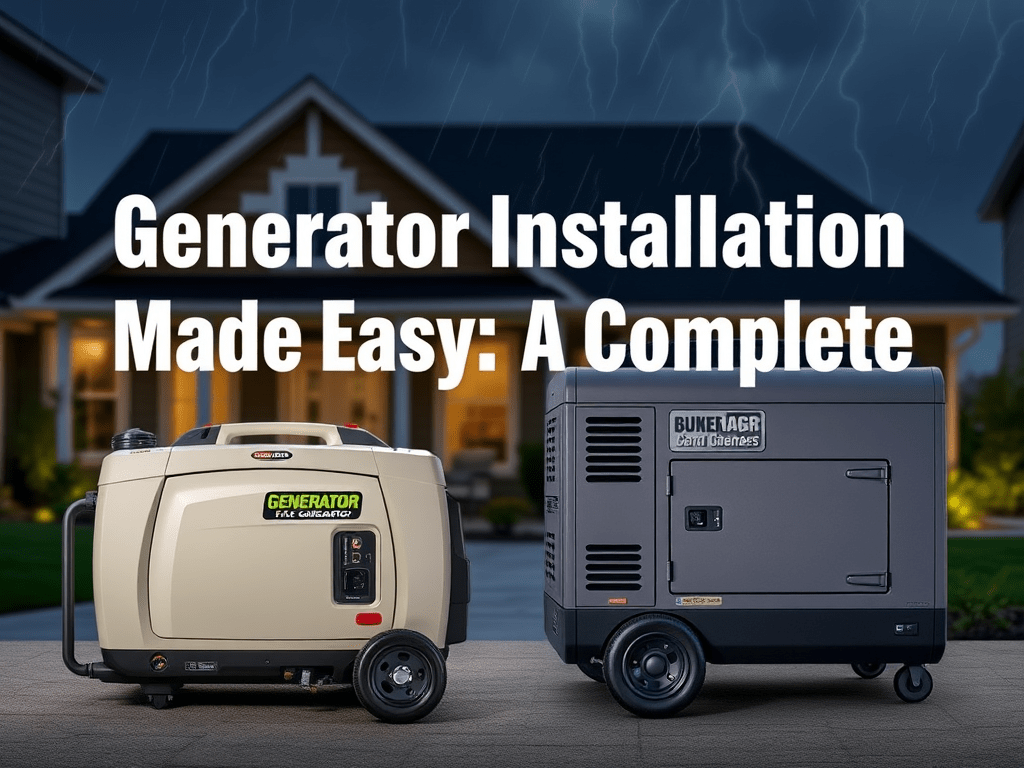
Choosing the right generator depends on your needs, space, and budget. There are two primary types:
Portable Generators
Portable generators are ideal for temporary, limited power needs. They are typically gasoline-powered and must be manually started and connected to appliances or a transfer switch. These units are best suited for emergency use or small-scale applications like powering a few lights, a fridge, or small electronics. However, they must be used outdoors due to the risk of carbon monoxide poisoning.
Standby Generators
Standby generators are permanently installed systems that automatically start during a power outage. They run on natural gas or propane and are capable of powering an entire home or building. These systems are connected directly to your electrical panel and include an automatic transfer switch that seamlessly shifts power when the utility grid fails. While they require a larger upfront investment, they offer unmatched reliability and convenience.
3. Generator Sizing: How Much Power Do You Need?
One of the most important aspects of generator installation is choosing the correct size. Generators are rated by wattage—the amount of power they can supply. Undersized units will not support your full electrical load, while oversized units can be inefficient and unnecessarily expensive.
To determine the right size, start by listing all the devices and systems you want to keep running during an outage. This typically includes HVAC, kitchen appliances, lighting, computers, and essential medical or business equipment. Check each item’s running wattage and surge (startup) wattage. The total of these figures gives you a baseline for the generator capacity you need.
For example, a home may require a 7kW–12kW generator for partial coverage or 20kW+ for full-house backup. Businesses may need systems upward of 50kW depending on operations.
A licensed electrician can perform a load calculation to ensure your generator meets current and future needs.
4. What’s Involved in Generator Installation?
Installing a generator is a multi-step process that should be handled by qualified professionals. The main stages include:
- Site Evaluation – Choosing a safe, code-compliant location with proper ventilation and accessibility.
- Permitting – Depending on local regulations, you may need one or more permits for electrical, gas, and structural work.
- Pad and Mounting – For standby generators, a concrete pad is often installed to provide a stable and level surface.
- Electrical and Fuel Connections – Certified technicians connect the generator to your home or business’s electrical system and natural gas or propane line.
- Automatic Transfer Switch Installation – This device ensures a seamless transition from grid power to generator power and back again.
- Final Testing and Inspection – A full system test verifies that your generator functions properly under load and meets all local code requirements.
The entire process can take anywhere from a few days to several weeks, depending on complexity, permitting, and weather conditions.
5. Installation Costs: What to Expect
The cost of generator installation varies widely depending on the type, size, brand, and the specifics of your property. On average:
- Portable Generators: $500–$2,000 (equipment only)
- Standby Generators: $2,500–$10,000 (equipment)
- Installation Labor: $2,000–$6,000
- Additional Costs (permits, pads, gas lines, ATS, etc.): $500–$2,500
A full turnkey standby installation usually costs between $5,000 and $15,000, though commercial setups may be significantly higher.
While the upfront investment may seem high, consider the potential costs of spoiled food, flooded basements, lost business, or hotel stays during an extended outage. A generator can pay for itself in one major blackout.
6. Generator Fuel Options
Generators are powered by different types of fuel, each with its advantages:
- Natural Gas – Reliable and low-maintenance, this is ideal if your property already has a gas line. It provides uninterrupted fuel without the need for refueling.
- Propane (LPG) – Stored in on-site tanks, propane has a long shelf life and burns cleanly, but requires delivery and storage space.
- Diesel – Common in larger, industrial applications. Diesel generators are powerful and fuel-efficient but require regular maintenance and fuel rotation to prevent degradation.
Your fuel choice will depend on availability, budget, local regulations, and usage patterns.
7. Maintenance Requirements
Like any mechanical system, a generator requires regular maintenance to stay in top working condition. Basic maintenance tasks include:
- Checking and changing the oil
- Replacing filters and spark plugs
- Inspecting fuel lines and electrical components
- Running periodic test cycles
- Keeping the battery charged and connections clean
- Scheduling annual professional inspections
Many modern standby generators feature automatic self-tests and remote monitoring, making it easier to ensure your system is always ready when you need it most.
8. Generator Installation for Businesses
For commercial operations, a generator can protect critical infrastructure, prevent loss of productivity, and even fulfill regulatory requirements. Specific benefits include:
- Preventing revenue loss during outages
- Preserving inventory, particularly in food service and retail
- Maintaining network connectivity and server uptime
- Keeping essential services running in healthcare, manufacturing, and logistics
- Providing a safe environment for staff and customers
Investing in a commercial-grade generator can also improve insurance eligibility and demonstrate operational resilience to partners and clients.
9. Choosing the Right Electrical Contractor
Choosing the right installer is crucial for a safe, code-compliant, and long-lasting system. Look for:
- Proper licensing, insurance, and certifications
- A solid track record with generator installations
- Knowledge of local building and electrical codes
- Transparent pricing and clear communication
- Maintenance plans and warranty support
A reputable contractor will guide you through every step—from load calculation and equipment selection to permitting and final testing.
10. Final Thoughts
Power outages are not just a minor inconvenience—they can disrupt daily life, damage property, and jeopardize safety. Installing a backup generator is a proactive measure that ensures your home or business stays powered through the unexpected.
Whether you’re protecting your family, preserving inventory, or maintaining your business operations, generator installation is a wise investment in security and reliability. Consult with a licensed professional, plan ahead, and give yourself the peace of mind that you’ll never be left in the dark again.






 electric guy