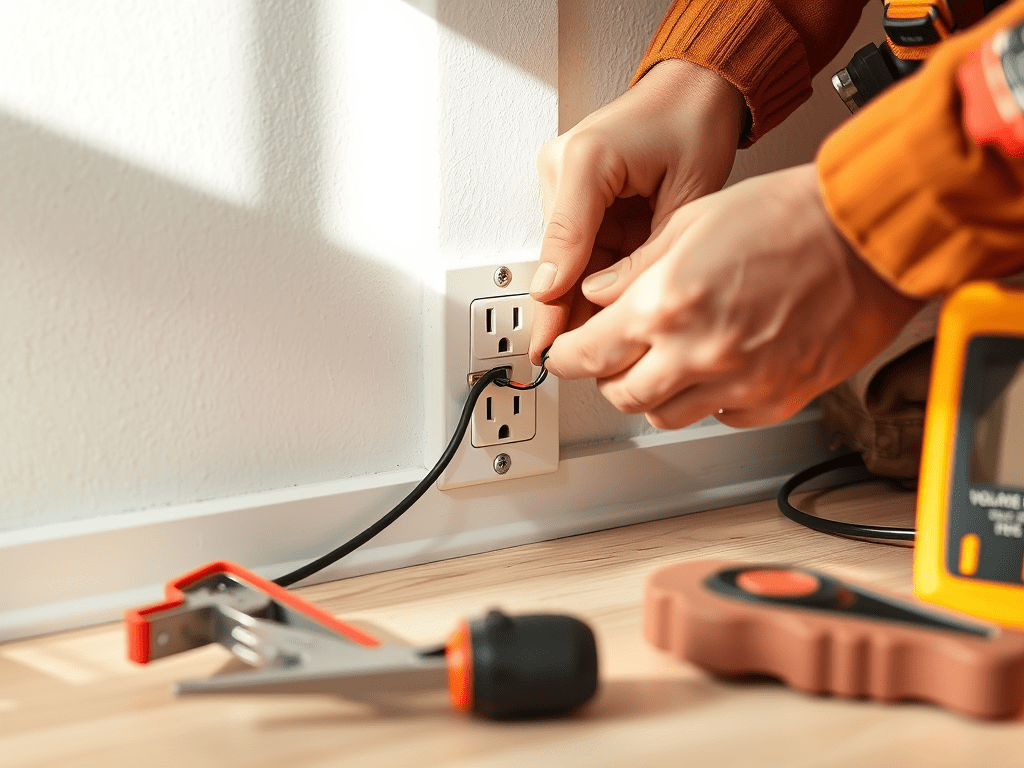
Electrical Outlet Installation

Hello

This is Electric Master wiztech (wiztx.com) who provides useful information about electricity.
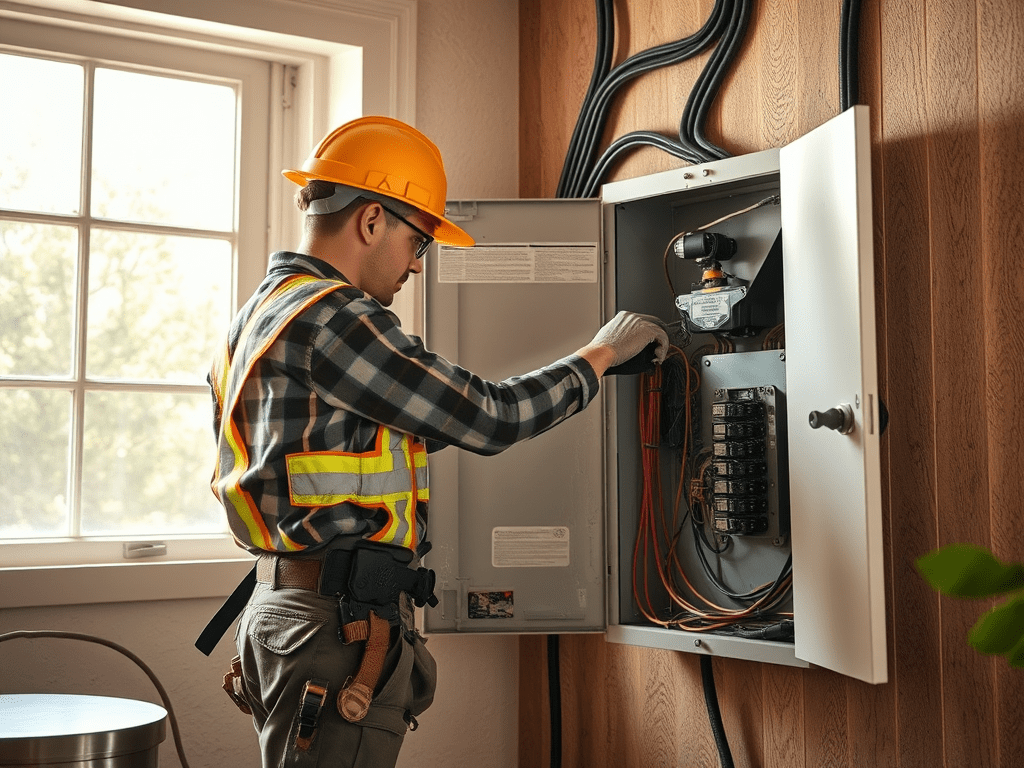
Electrical outlets are one of the most essential components of any home or business. They provide the connection point between your electrical system and the devices you rely on daily, from appliances and chargers to office equipment and entertainment systems. Proper electrical outlet installation ensures safety, convenience, and efficiency. Whether you’re building a new property, renovating an older one, or simply replacing outdated outlets, understanding the installation process and requirements is critical.

Why Proper Electrical Outlet Installation Matters

Installing an electrical outlet may seem simple, but it directly impacts both safety and functionality. Poorly installed outlets can lead to electrical shocks, fire hazards, or damage to expensive electronics. According to the U.S. Consumer Product Safety Commission, thousands of residential fires each year are caused by electrical outlets and wiring issues.

A properly installed outlet provides consistent power, meets local and national electrical codes, and reduces long-term risks. For homeowners and businesses alike, investing in professional outlet installation is not just about convenience—it’s about peace of mind.

Common Types of Electrical Outlets

Before starting an electrical outlet installation project, it’s important to understand the different types of outlets available and their purposes:

  1. Standard Duplex Outlet – The most common outlet found in homes, providing two receptacles for general use.
  2. GFCI Outlet (Ground Fault Circuit Interrupter) – Required in areas with water exposure, such as bathrooms, kitchens, and outdoor spaces. They protect against shock by shutting off power when imbalances are detected.
  3. AFCI Outlet (Arc Fault Circuit Interrupter) – Designed to prevent fires caused by arcing faults, now required in many living spaces under the National Electrical Code (NEC).
  4. USB Outlets – Convenient for charging smartphones, tablets, and other devices without needing a separate adapter.
  5. 20-Amp Outlets – Identifiable by a horizontal slot, these outlets provide more power and are often used in kitchens or garages for heavy appliances.
  6. Smart Outlets – Integrated with Wi-Fi or smart home systems, allowing remote control and energy monitoring.

Each type of outlet has unique installation requirements, and choosing the right one depends on your needs and local code requirements.

Signs It’s Time to Replace or Add Outlets

Even if your current outlets seem to be working, certain signs indicate replacement or additional outlets are needed:

  • Outlets feel warm or show burn marks
  • Frequent use of extension cords or power strips
  • Loose connections where plugs easily fall out
  • No GFCI protection in kitchens, bathrooms, or outdoor areas
  • Older two-prong outlets without grounding
  • Frequent tripping of breakers when using appliances

Adding new outlets or upgrading old ones not only improves safety but also enhances convenience for modern electrical demands.

Electrical Outlet Installation Process

A professional electrician typically follows a clear process when installing or upgrading outlets:

  1. Planning and Code Review – Determining the correct type of outlet and placement according to NEC and local requirements.
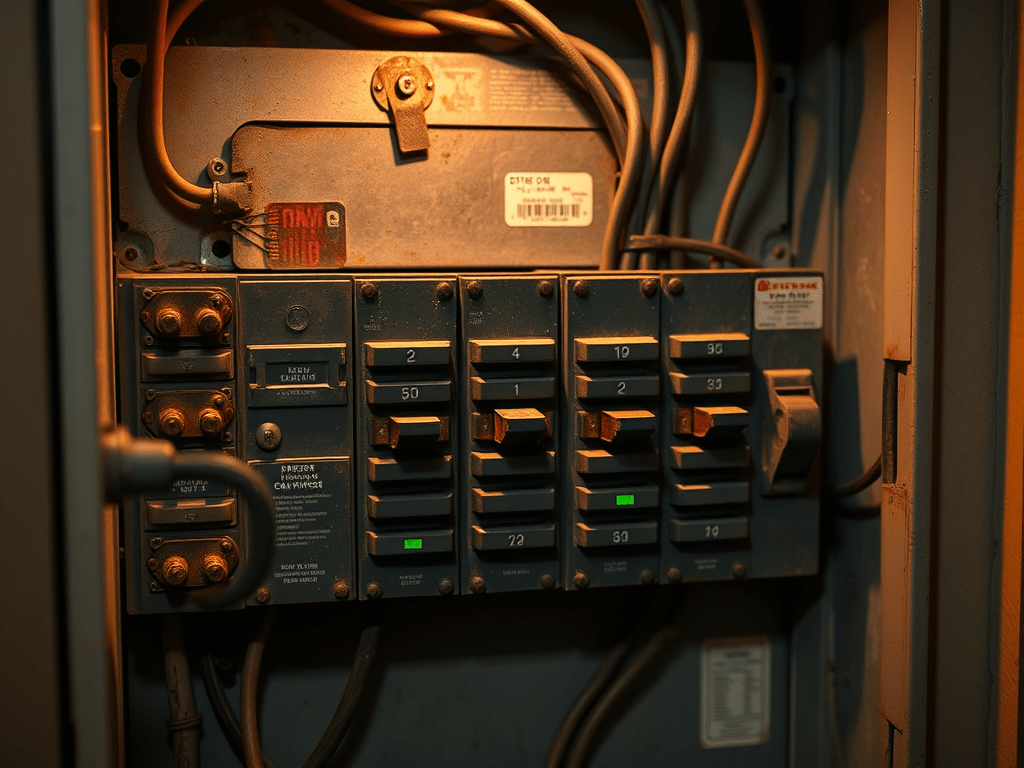
  2. Shutting Off Power – Ensuring safety by turning off electricity at the breaker panel.
  3. Wiring Preparation – Running new wiring if necessary or preparing existing circuits.
  4. Mounting the Outlet Box – Securing the box in the wall or surface.
  5. Connecting the Wires – Attaching hot, neutral, and ground wires properly.
  6. Installing the Outlet and Cover Plate – Ensuring secure connections and a clean finish.
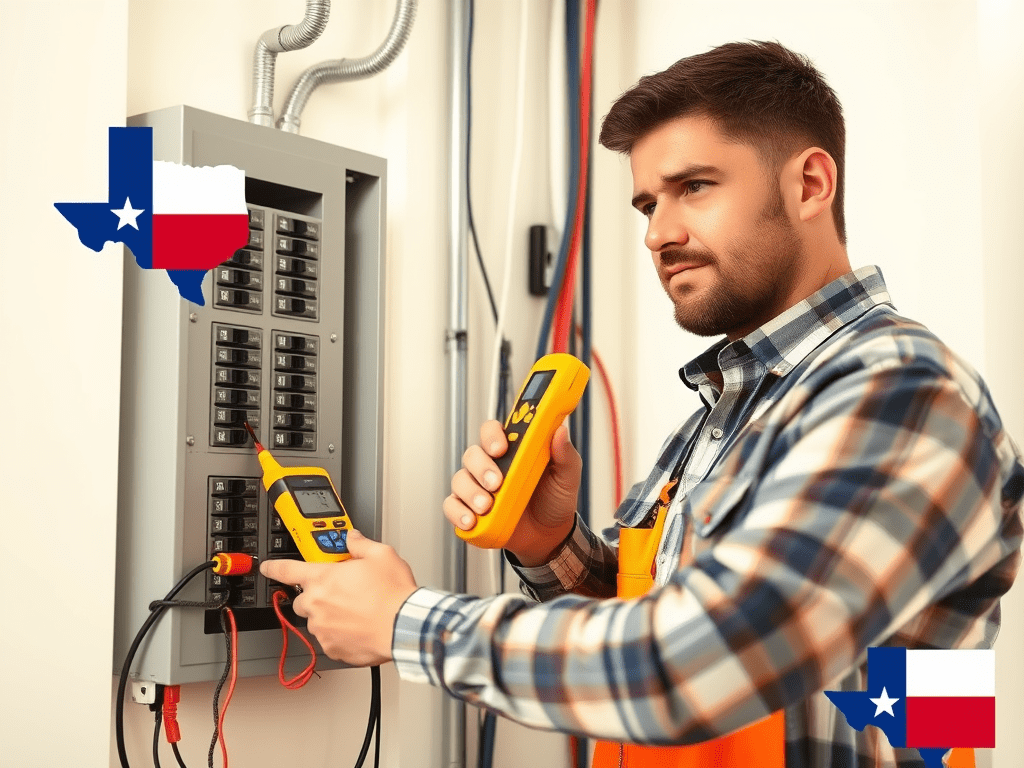
  7. Testing – Restoring power and testing with voltage meters to confirm safe operation.

While some homeowners attempt DIY installations, electrical work involves significant risks. Mistakes can lead to shocks, fires, or code violations, which is why professional installation is strongly recommended.

Code and Permit Considerations

In the U.S., all electrical outlet installations must comply with the National Electrical Code (NEC). Many local jurisdictions, including cities like Austin, Dallas, or Houston, add their own amendments to the NEC. Common requirements include:

  • GFCI outlets in wet or damp areas
  • AFCI protection in bedrooms and living spaces
  • Proper grounding for all outlets
  • Adequate spacing between outlets in living areas (typically every 6–12 feet)
  • City permits and inspections for major electrical upgrades

Failing to follow these codes can result in failed inspections, reduced property value, and safety hazards.

Benefits of Upgrading Outlets

Modern outlet installations offer several advantages:

  1. Increased Safety – GFCI and AFCI outlets reduce risks of shock and fire.
  2. Better Convenience – USB and smart outlets make daily device charging and control easier.
  3. Improved Aesthetics – Newer outlets and cover plates provide a cleaner look for your home or office.
  4. Higher Property Value – Updated electrical systems are attractive to buyers and renters.
  5. Energy Efficiency – Smart outlets can monitor and reduce unnecessary power usage.

DIY vs. Professional Outlet Installation

While installing a basic outlet may look straightforward, it requires knowledge of wiring, grounding, and code compliance. DIY attempts often overlook critical safety steps, such as proper grounding or correct wire connections.

DIY Installation Risks:

  • Increased chance of electrical fires
  • Voided insurance coverage in case of damage
  • Possible fines for non-compliance with code

Professional Installation Benefits:

  • Licensed electricians ensure NEC and local code compliance
  • Safe and reliable wiring connections
  • Warranty and liability coverage for the work
  • Long-term peace of mind

For homeowners and businesses, the benefits of professional installation far outweigh the short-term savings of DIY.

Cost of Electrical Outlet Installation

The cost of electrical outlet installation depends on the type of outlet, the complexity of the wiring, and local labor rates. On average:

  • Standard Outlet – $100–$150 per outlet
  • GFCI Outlet – $150–$250 per outlet
  • AFCI or USB Outlets – $200–$300 per outlet
  • Smart Outlets – $250–$400 per outlet

If new wiring, panel upgrades, or permits are required, costs may increase. While the investment may seem high, it improves both safety and property value, making it well worth the expense.

Final Thoughts

Electrical outlet installation is not just about adding more power access points—it’s about creating a safer, more efficient, and more convenient living or working environment. Whether you’re upgrading outdated two-prong outlets, adding GFCI protection, or installing smart outlets, doing the job correctly makes all the difference.

By relying on proper installation methods and professional expertise, you ensure that your property meets modern electrical needs, complies with codes, and protects both people and equipment. Electrical outlet installation is a smart investment that pays off in safety, functionality, and long-term value.
Wiring Repair Austin TX: The Complete Homeowner’s Guide

Electrical wiring is the foundation of every home’s power system. For homeowners in Austin, TX, maintaining safe and reliable wiring is critical due to the mix of older homes and newer constructions in the city. Outdated, damaged, or improperly installed wiring can lead to flickering lights, frequent breaker trips, power outages, or even serious hazards like electrical fires. Understanding the importance of wiring repair in Austin TX is essential for protecting your home, family, and electrical appliances.

Why Wiring Repair Is Vital

Over time, wiring can degrade due to age, wear, and environmental factors such as humidity, heat, and temperature fluctuations. Many Austin homes built before the 1980s still rely on aluminum wiring or the older knob-and-tube systems, which can become brittle, corroded, and unsafe. Even homes with modern wiring can experience issues if improper DIY modifications or low-quality materials were used. Timely wiring repair ensures compliance with current National Electrical Code (NEC) standards and Austin city regulations. It also improves efficiency, prevents electrical hazards, and ensures your home can support modern devices, appliances, HVAC systems, and smart home technology.

Common Signs Your Home Needs Wiring Repair

Homeowners should watch for these warning signs:

  • Frequent breaker trips – often a sign of overloaded circuits.
  • Flickering or dimming lights – may indicate loose, damaged, or insufficient wiring.
  • Burning smells or scorch marks near outlets or switches – a serious hazard.
  • Buzzing, crackling, or popping sounds from outlets or the panel.
  • Two-prong outlets or ungrounded circuits – unsafe for modern electronics.
  • Hot outlets or switches – can indicate high resistance or overloaded wiring.

If any of these issues occur, it is crucial to contact a licensed electrician immediately. Ignoring wiring problems can escalate into costly repairs or dangerous emergencies.

The Professional Wiring Repair Process in Austin TX

Wiring repair requires expertise and adherence to safety standards. Licensed electricians typically follow these steps:

  1. Inspection and Diagnosis – Identify damaged wires, poor connections, or outdated systems.
  2. Planning and Permitting – Determine which circuits need replacement or upgrades, while ensuring all work complies with Austin building codes and NEC standards.
  3. Power Shutdown – Safe deactivation of circuits in the affected area.
  4. Repair or Replacement – Damaged wires are replaced with modern materials, connections are tightened, and circuits are upgraded as needed.
  5. Testing and Verification – Conduct thorough testing for continuity, load capacity, and safety before restoring power.

Complex projects, such as rewiring an older home or upgrading for an electric vehicle charger, may take multiple days. Minor repairs can often be completed in a few hours.

Cost Considerations in Austin TX

The cost of wiring repair depends on the size of the home, the type of wiring, and repair complexity. Minor repairs may cost a few hundred dollars, while full rewiring projects can exceed several thousand. Additional factors influencing cost include the age of the home, accessibility of the wiring, and whether additional upgrades like new outlets, breakers, or grounding systems are required. Investing in professional wiring repair enhances safety, reduces energy loss, and can increase property value. In some cases, utility companies or local programs may offer rebates or incentives for upgrading electrical systems to energy-efficient standards.

Safety and Compliance

Austin requires that all electrical work meet local building codes and NEC regulations. Attempting DIY wiring repair is extremely dangerous and often illegal. Licensed electricians ensure that all work is safe, properly grounded, and inspected when necessary. Proper compliance reduces fire risk, protects appliances, and safeguards your family. Even small mistakes in electrical work can lead to catastrophic failures or fire hazards, making professional service essential.

Long-Term Benefits of Professional Wiring Repair

Professional wiring repair provides immediate safety benefits and long-term reliability. Homes with updated wiring experience fewer power outages, improved energy efficiency, and the ability to safely support modern technology and appliances. Preparing your home for future upgrades, such as solar panels, smart home systems, or electric vehicle chargers, is easier with modernized wiring. Properly maintained wiring also prevents insurance disputes, avoids emergency repair costs, and adds peace of mind for homeowners.

Frequently Asked Questions

  • Can I perform wiring repair myself?
    DIY electrical work is unsafe and often illegal. Licensed electricians should handle all wiring repairs.
  • How long does wiring repair take?
    Minor repairs can take a few hours, while larger rewiring projects may require several days.
  • Will updated wiring increase my home’s value?
    Yes. Modern, code-compliant wiring improves safety, energy efficiency, and resale potential.
  • Do I need wiring upgrades for smart home devices or EV chargers?
    Almost always. Modern devices require higher amperage and proper grounding to operate safely.

Tips for Choosing the Right Electrician in Austin

When hiring an electrician, verify licensing, insurance, and experience in wiring repair. Read online reviews, request multiple written estimates, and ask about warranties. A professional electrician can guide you through permits, code requirements, and suggest long-term upgrades to future-proof your electrical system.

Final Thoughts

Wiring repair in Austin TX is a vital investment for homeowners who prioritize safety, reliability, and efficiency. Addressing damaged or outdated wiring promptly ensures your home can handle today’s energy demands while minimizing fire risks and power interruptions. Consulting a licensed electrician for inspection and repair planning protects your home, devices, and family. Timely wiring repair safeguards your property and provides peace of mind for years to come.

Wiring Repair Austin TX: The Complete Homeowner’s Guide

Electrical wiring is the foundation of every home’s power system. For homeowners in Austin, TX, maintaining safe and reliable wiring is critical due to the mix of older homes and newer constructions in the city. Outdated, damaged, or improperly installed wiring can lead to flickering lights, frequent breaker trips, power outages, or even serious hazards like electrical fires. Understanding the importance of wiring repair in Austin TX is essential for protecting your home, family, and electrical appliances.

Why Wiring Repair Is Vital

Over time, wiring can degrade due to age, wear, and environmental factors such as humidity, heat, and temperature fluctuations. Many Austin homes built before the 1980s still rely on aluminum wiring or the older knob-and-tube systems, which can become brittle, corroded, and unsafe. Even homes with modern wiring can experience issues if improper DIY modifications or low-quality materials were used. Timely wiring repair ensures compliance with current National Electrical Code (NEC) standards and Austin city regulations. It also improves efficiency, prevents electrical hazards, and ensures your home can support modern devices, appliances, HVAC systems, and smart home technology.

Common Signs Your Home Needs Wiring Repair

Homeowners should watch for these warning signs:

  • Frequent breaker trips – often a sign of overloaded circuits.
  • Flickering or dimming lights – may indicate loose, damaged, or insufficient wiring.
  • Burning smells or scorch marks near outlets or switches – a serious hazard.
  • Buzzing, crackling, or popping sounds from outlets or the panel.
  • Two-prong outlets or ungrounded circuits – unsafe for modern electronics.
  • Hot outlets or switches – can indicate high resistance or overloaded wiring.

If any of these issues occur, it is crucial to contact a licensed electrician immediately. Ignoring wiring problems can escalate into costly repairs or dangerous emergencies.

The Professional Wiring Repair Process in Austin TX

Wiring repair requires expertise and adherence to safety standards. Licensed electricians typically follow these steps:

  1. Inspection and Diagnosis – Identify damaged wires, poor connections, or outdated systems.
  2. Planning and Permitting – Determine which circuits need replacement or upgrades, while ensuring all work complies with Austin building codes and NEC standards.
  3. Power Shutdown – Safe deactivation of circuits in the affected area.
  4. Repair or Replacement – Damaged wires are replaced with modern materials, connections are tightened, and circuits are upgraded as needed.
  5. Testing and Verification – Conduct thorough testing for continuity, load capacity, and safety before restoring power.

Complex projects, such as rewiring an older home or upgrading for an electric vehicle charger, may take multiple days. Minor repairs can often be completed in a few hours.

Cost Considerations in Austin TX

The cost of wiring repair depends on the size of the home, the type of wiring, and repair complexity. Minor repairs may cost a few hundred dollars, while full rewiring projects can exceed several thousand. Additional factors influencing cost include the age of the home, accessibility of the wiring, and whether additional upgrades like new outlets, breakers, or grounding systems are required. Investing in professional wiring repair enhances safety, reduces energy loss, and can increase property value. In some cases, utility companies or local programs may offer rebates or incentives for upgrading electrical systems to energy-efficient standards.

Safety and Compliance

Austin requires that all electrical work meet local building codes and NEC regulations. Attempting DIY wiring repair is extremely dangerous and often illegal. Licensed electricians ensure that all work is safe, properly grounded, and inspected when necessary. Proper compliance reduces fire risk, protects appliances, and safeguards your family. Even small mistakes in electrical work can lead to catastrophic failures or fire hazards, making professional service essential.

Long-Term Benefits of Professional Wiring Repair

Professional wiring repair provides immediate safety benefits and long-term reliability. Homes with updated wiring experience fewer power outages, improved energy efficiency, and the ability to safely support modern technology and appliances. Preparing your home for future upgrades, such as solar panels, smart home systems, or electric vehicle chargers, is easier with modernized wiring. Properly maintained wiring also prevents insurance disputes, avoids emergency repair costs, and adds peace of mind for homeowners.

Frequently Asked Questions

  • Can I perform wiring repair myself?
    DIY electrical work is unsafe and often illegal. Licensed electricians should handle all wiring repairs.
  • How long does wiring repair take?
    Minor repairs can take a few hours, while larger rewiring projects may require several days.
  • Will updated wiring increase my home’s value?
    Yes. Modern, code-compliant wiring improves safety, energy efficiency, and resale potential.
  • Do I need wiring upgrades for smart home devices or EV chargers?
    Almost always. Modern devices require higher amperage and proper grounding to operate safely.

Tips for Choosing the Right Electrician in Austin

When hiring an electrician, verify licensing, insurance, and experience in wiring repair. Read online reviews, request multiple written estimates, and ask about warranties. A professional electrician can guide you through permits, code requirements, and suggest long-term upgrades to future-proof your electrical system.

Final Thoughts

Wiring repair in Austin TX is a vital investment for homeowners who prioritize safety, reliability, and efficiency. Addressing damaged or outdated wiring promptly ensures your home can handle today’s energy demands while minimizing fire risks and power interruptions. Consulting a licensed electrician for inspection and repair planning protects your home, devices, and family. Timely wiring repair safeguards your property and provides peace of mind for years to come.

House rewiring Austin

House Rewiring Austin: Everything You Need to Know for a Safe and Efficient Home

House rewiring is one of the most important investments you can make in your home’s safety, efficiency, and long-term value. In Austin, where many properties range from historic houses in older neighborhoods to newly built modern residences, electrical systems vary greatly in age and condition. If your home’s wiring is outdated, damaged, or not up to code, it can pose serious risks such as electrical fires, power outages, and damage to appliances. This guide will walk you through why rewiring might be necessary, what the process involves, and how to prepare for it.

Why House Rewiring Is Essential in Austin

Older homes in Austin, particularly those built before the 1980s, may still have aluminum wiring, knob-and-tube systems, or circuits that do not meet current electrical codes. These outdated systems often cannot handle today’s electrical demands from modern appliances, home offices, and smart devices. Overloaded circuits can lead to overheating and increase the risk of fire. Rewiring not only ensures compliance with the latest Austin and Texas electrical codes but also gives you peace of mind knowing your home is protected against electrical hazards.

Signs Your Home Might Need Rewiring

Some common indicators that your Austin home may need rewiring include frequently tripped breakers, flickering lights, warm outlets, or a burning smell near electrical fixtures. Other warning signs are limited outlets in each room, reliance on extension cords, or two-prong (ungrounded) outlets. If you have just purchased an older home, a professional electrical inspection is highly recommended to determine whether the wiring meets safety standards.

The House Rewiring Process

A full house rewiring project begins with a detailed inspection by a licensed electrician. They will assess the current wiring, create a plan to upgrade circuits, outlets, and the electrical panel, and ensure everything aligns with Austin’s building codes. The work typically involves removing old wiring, installing new cables, upgrading outlets to grounded ones, and possibly adding dedicated circuits for high-demand appliances. Depending on the size and complexity of your home, the process can take anywhere from a few days to several weeks.

Costs and Budgeting for House Rewiring in Austin

Rewiring costs in Austin vary based on the size of your home, the accessibility of the wiring, and the extent of the upgrades needed. On average, homeowners can expect to invest several thousand dollars. While this may seem like a large expense, it is a long-term investment in safety, functionality, and home value. Additionally, modern wiring can improve energy efficiency, reducing your electricity bills over time.

Benefits Beyond Safety

Aside from eliminating safety hazards, rewiring offers several practical benefits. You can add more outlets to reduce clutter from extension cords, install modern USB outlets for convenience, and support higher electrical loads for advanced appliances and electronics. Upgrading to modern wiring also makes it easier to integrate smart home systems, energy-efficient lighting, and home automation features that require stable and reliable power.

Choosing the Right Electrician in Austin

House rewiring is a complex and potentially hazardous job that should only be handled by a licensed and experienced electrician. When selecting a professional in Austin, look for credentials, insurance coverage, and strong customer reviews. It’s also wise to get a written estimate and timeline for the project before work begins. A knowledgeable electrician will explain each step of the process, help you navigate local permit requirements, and ensure your home meets all current electrical safety codes.

Final Thoughts

Rewiring your home in Austin is not just about replacing old wires—it’s about ensuring your family’s safety, improving your home’s functionality, and preparing for the future of technology and energy use. If you suspect your wiring is outdated or unsafe, don’t wait until problems arise. Investing in professional house rewiring now can save you from costly repairs, insurance claims, or dangerous situations down the road.

Electrical panel replacement Austin

Electrical Panel Replacement Austin: A Complete Homeowner’s Guide

Electrical panel replacement is one of the most important upgrades a homeowner can make to ensure the safety, efficiency, and reliability of their home’s electrical system. In Austin, where older homes and rapidly growing neighborhoods coexist, many electrical panels are outdated, undersized, or unsafe. Over time, electrical panels can deteriorate, fail to meet modern power demands, and pose significant risks to your home and family. Knowing when and how to perform an electrical panel replacement in Austin is essential for preventing hazards, improving energy efficiency, and maintaining compliance with local building codes.

Why Replacing Your Electrical Panel Matters

Many older homes in Austin still have panels installed decades ago. Panels that use outdated breaker technology, fuses, or brands that have been recalled for safety reasons can be extremely dangerous. Overloaded or old panels may cause frequent breaker trips, flickering lights, or even overheating wires that could spark fires. Additionally, older panels often lack the capacity to support modern energy demands from electric vehicle chargers, large kitchen appliances, HVAC systems, and smart home devices. Replacing your electrical panel ensures your home meets current National Electrical Code (NEC) standards and Austin’s local regulations. It also provides peace of mind knowing your home is protected against potential electrical hazards.

Signs Your Home Needs a New Electrical Panel

Homeowners should watch for these warning signs:

  • Frequent breaker trips – circuits may be overloaded or outdated.
  • Flickering or dimming lights – often a sign that circuits cannot handle current loads.
  • Buzzing sounds or burning smells near the panel – indicates overheating or faulty connections.
  • Outdated fuse boxes or old panel brands – often unsafe and inefficient.
  • Insufficient amperage – older homes with 60–100 amps may struggle to support modern appliances.

Recognizing these signs early allows you to schedule an inspection and replacement before minor problems escalate into dangerous emergencies. Proactive replacement is not only safer but also more cost-effective in the long run.

The Electrical Panel Replacement Process in Austin

Replacing an electrical panel is a professional task that follows several critical steps:

  1. Initial Inspection and Assessment – A licensed electrician evaluates your current system, inspects wiring conditions, and calculates power requirements.
  2. Permitting – Austin city permits are required for panel replacements, ensuring all work meets safety and code regulations.
  3. Power Shutdown and Panel Removal – The old panel is safely disconnected, removed, and inspected for damage or corrosion.
  4. Installation of the New Panel – The new panel, with modern breakers, grounded circuits, and upgraded wiring, is installed.
  5. Connection and Labeling – All circuits are reconnected, labeled, and thoroughly tested for safety and reliability.
  6. Final Inspection – A city inspector verifies the installation meets all NEC and local code requirements.

Most residential installations take one full day, although larger or more complex systems may require additional time. During installation, homeowners should prepare by moving furniture, covering valuables, and planning for temporary power outages.

Costs and Considerations for Austin Homeowners

Electrical panel replacement costs depend on panel size, complexity, and additional upgrades required. On average, homeowners spend between $1,500 and $3,500. Upgrading to a 200-amp panel is common, especially for homes adding high-power appliances, solar systems, or EV chargers. Additional costs may include wiring upgrades, service line improvements, or meter replacements. While the investment may seem significant, the benefits—enhanced safety, reliable electricity, and increased home value far outweigh the cost.

Tips for Choosing a Licensed Electrician in Austin

When selecting an electrician, verify licensing, insurance, and experience with panel replacements. Read reviews, request written estimates, and ask about warranties. A professional electrician will also guide you through local permit requirements and provide recommendations for future-proofing your system, such as adding dedicated circuits or upgrading grounding systems.

Long-Term Benefits of Electrical Panel Replacement

Replacing your electrical panel enhances home safety, prevents fire hazards, and ensures consistent electricity supply. It allows homeowners to add more outlets, support modern appliances, and integrate smart home technology without overloading circuits. Future-proofing your electrical system reduces maintenance costs, increases property value, and gives peace of mind knowing your home is prepared for decades of safe electricity use.

Final Thoughts

Electrical panel replacement in Austin is an essential upgrade for any homeowner concerned with safety, reliability, and efficiency. Whether your home is older or experiencing frequent electrical issues, a licensed professional can ensure your panel meets modern standards and handles today’s power demands. Don’t wait for emergencies to occur investing in an upgraded panel now protects your family, your home, and your electrical appliances, while preparing your home for future energy needs.

Flickering lights repair Austin

Flickering Lights Repair Austin – Causes, Solutions, and When to Call a Professional

Flickering lights can be more than just an occasional irritation—they can indicate underlying electrical issues that should not be ignored. In Austin, where electrical systems vary from historic homes in Hyde Park to newly built high-rises downtown, the causes and solutions for flickering lights can differ greatly. Understanding the root of the problem can help you decide whether it’s a quick DIY fix or a situation that requires immediate professional attention.

Common Causes of Flickering Lights

  1. Loose or Faulty Bulbs
    This is the most common and simplest cause. A bulb that isn’t fully screwed in or is reaching the end of its life may start flickering. LED bulbs can be particularly sensitive. if paired with an incompatible dimmer switch, even a brand-new bulb can flicker. Always check bulb compatibility and ensure a snug fit before assuming there’s a wiring problem.
  2. Faulty Light Fixtures
    The internal wiring of a light fixture can loosen over time, especially in fixtures that are frequently adjusted or bumped. In older Austin homes, fixtures may also have outdated wiring that’s not up to current safety codes.
  3. Voltage Fluctuations
    Sudden changes in voltage can cause lights to dim and brighten rapidly. This is often noticed when large appliances, like air conditioning units or refrigerators, cycle on. If your lights flicker when appliances start, it could mean the circuit is overloaded or improperly balanced.
  4. Loose Wiring Connections
    This is one of the most dangerous causes. Loose wiring not only leads to flickering but also creates heat that can spark electrical fires. Warning signs include random flickers across multiple rooms, burning smells, or warm switch plates.
  5. Utility Service Issues
    Sometimes the problem lies outside your property. Austin’s power grid can experience fluctuations during summer storms, high-demand periods, or maintenance work. If neighbors are experiencing similar issues, it’s worth contacting your utility provider.

Troubleshooting Tips for Homeowners

  • Check the Bulb First: Always start with the simplest solution—tighten or replace the bulb.
  • Inspect the Fixture: If replacing the bulb doesn’t work, examine the fixture for damage or wear.
  • Test Multiple Lights: If more than one light on the same circuit flickers, the issue may be in the wiring or breaker panel.
  • Observe Patterns: Keep track of when the flickering happens—does it occur during heavy appliance use, storms, or randomly? Patterns can help pinpoint the problem.
  • Turn Off Power Before Inspecting: If you plan to look at wiring or fixtures, always shut off the breaker to avoid shocks.

When to Call a Licensed Electrician in Austin

While some causes have quick fixes, others require immediate professional attention. You should contact a licensed electrician if:

  • Lights flicker across multiple rooms or the whole building
  • There’s a burning smell, buzzing sound, or heat coming from outlets or switches
  • Circuit breakers trip often without obvious cause
  • You’ve ruled out bulbs and fixtures, but the problem persists
  • Your home’s wiring is older and hasn’t been inspected in years

Austin electricians are also familiar with local building codes, which ensures that any repair or upgrade is not only safe but also compliant with city regulations. This is especially important if you’re planning renovations or selling your property.

Why Prompt Repairs Are Essential

Persistent flickering lights can indicate serious hazards like overloaded circuits, corroded wiring, or failing electrical panels. These issues can escalate quickly, leading to property damage or even electrical fires. Addressing flickering lights early is more cost-effective and far safer than waiting for a full system failure.

Preventing Future Flickering

  • Use High-Quality Bulbs: Cheap bulbs may save money upfront but often fail prematurely.
  • Schedule Regular Electrical Inspections: Especially in older Austin homes, annual inspections can catch wiring problems before they become dangerous.
  • Upgrade Your Electrical Panel: If your home’s electrical system hasn’t been updated in decades, upgrading can improve stability and reduce flickering.
  • Balance Appliance Loads: Spread high-consumption appliances across circuits to avoid overloading one line.

Final Thoughts

Flickering lights in Austin aren’t just an inconvenience. They can be an early warning sign of deeper electrical issues. From something as simple as replacing a bulb to rewiring a circuit, knowing when to act and when to call a professional can make all the difference. Whether you live in a downtown condo, a South Congress bungalow, or a suburban home, keeping your electrical system in top condition ensures safety, comfort, and peace of mind year-round.

Outlet not working repair Texas

Hello

This is Electric Master wiztech (wiztx.com) who provides useful information about electricity.

Outlet Not Working? Here’s How to Troubleshoot and Repair It in Texas

A non-working electrical outlet can be more than just an inconvenience—it may be a sign of a deeper electrical issue. If you’re a homeowner in Texas, especially with the region’s high energy use from air conditioning and other large appliances, it’s important to understand why an outlet might fail and what steps you can take to fix it safely and effectively.

Let’s explore the most common causes of outlet problems, how to troubleshoot them effectively, and when it’s crucial to call a professional for outlet repair in Texas to ensure safety and compliance with local electrical codes.

1. Check for a Tripped Circuit Breaker

The first thing to do is to look at your breaker panel. In many cases, the issue is just a tripped breaker. If one switch is slightly off, flip it all the way off and then back on.

Texas Tip: With the heavy use of appliances during the summer, breakers often trip from overload. Homes in areas like Houston and Dallas experience extremely high cooling loads. This causes HVAC systems, refrigerators, and ceiling fans to run simultaneously, making tripped breakers more common than you might expect.

If one circuit keeps tripping repeatedly, it’s not just annoying—it could be dangerous. Repeated overloads may indicate the need for a dedicated circuit or rewiring by a professional electrician. Ignoring this can lead to frequent power interruptions and increase fire risks.

2. Look for GFCI Outlets

GFCI (Ground Fault Circuit Interrupter) outlets are designed to protect you from electric shock. They’re required in kitchens, bathrooms, laundry rooms, garages, and outdoors—basically anywhere water might be nearby.

If one of them trips, it can cut off power to multiple outlets on the same line. Even if the dead outlet is in the bedroom, the GFCI reset button may be located in a bathroom or garage. Press the Reset button to restore power.

Tip: In Texas homes, older GFCI outlets are more sensitive to humidity or dust. If it won’t reset or keeps tripping for no clear reason, it may need replacement soon. Regular testing of GFCI outlets every month can prevent unexpected power loss and improve safety.

3. Inspect for Loose or Damaged Wiring

Over time, wiring behind outlets can become loose—especially if the outlet is used frequently or wasn’t installed correctly. Loose connections can lead to sparking, flickering lights, or burnt plastic smells. These are warning signs of electrical arcing, which is a serious fire risk.

Also, rodents or insects can chew through wiring in attics or walls, a common issue in suburban or rural Texas homes. If your outlet shows signs of heat damage, or if the wall plate is cracked, stop using it immediately and call a professional electrician for inspection and repair.

Seasonal weather changes in Texas, such as extreme heat in summer and sudden thunderstorms, can also exacerbate wiring issues by causing expansion, contraction, and moisture buildup behind walls.

4. The Outlet Might Be Worn Out

Most outlets are rated to last about 15–25 years. But in homes with high electricity usage, outlets can wear out faster—especially when powering high-draw devices like portable heaters or microwaves.

If the plug doesn’t fit tightly anymore or falls out easily, or if nothing works even after checking breakers and GFCIs, the outlet may have reached the end of its life.

Reminder: Replacing an outlet might seem like a simple job, but in Texas, you must follow state and local electrical codes carefully. Mistakes can void home insurance or cause dangerous hazards. Always use outlets that meet current safety standards, especially in older homes.

5. Signs It’s Time to Call a Professional

It’s always best to call a licensed electrician in Texas when:

  • Resetting breakers or GFCIs doesn’t fix the problem
  • You smell burning plastic or see sparks
  • The outlet feels warm or buzzes when touched
  • Multiple outlets are failing at once
  • You have aluminum wiring or an old fuse box installed

Texas electricians are trained to handle region-specific problems, such as moisture buildup from Gulf Coast humidity or wiring degradation due to extreme heat. They can also advise on upgrades to improve your home’s electrical safety and efficiency.

6. Preventing Future Outlet Problems

You can reduce the chance of outlet failure by taking a few preventive steps:

  • Avoid plugging too many devices into one outlet
  • Don’t use damaged extension cords or adapters
  • Install whole-house surge protectors for Texas storms to prevent damage from lightning or power surges
  • Upgrade to tamper-resistant and GFCI outlets in required areas
  • Have a licensed electrician perform safety inspections every few years to detect issues early

Extra Tip: If your home was built before 1990, consider a full electrical system evaluation. Older Texas homes may still use outdated wiring not designed for modern appliances, increasing the risk of failure or fire hazards.

7. Frequently Asked Questions (FAQ)

Q: Can I fix an outlet myself?
A: You can try resetting breakers or GFCIs. But if the outlet is hot, damaged, or still dead after that, leave it to a licensed electrician to avoid risk of injury or further damage.

Q: Why do only some outlets stop working?
A: Some outlets are wired together. A fault in one outlet or a tripped GFCI can disable others in the same circuit.

Q: How much does it cost to repair an outlet in Texas?
A: Prices vary by region, but on average, simple repairs range from $100–$200. More complex work involving rewiring or replacements may cost more depending on the extent of the problem.

Final Thoughts

If your outlet isn’t working, don’t panic—but don’t ignore it either. Sometimes the fix is simple, but in other cases, it may signal a more serious problem. In Texas, where energy demands and environmental conditions are unique, it’s especially important to stay proactive with your home’s electrical health.

Whether you’re in Austin, San Antonio, or El Paso, getting the job done right means staying safe—and sometimes, that means calling in a professional electrician who understands the local environment and codes..

Electrical repair Austin TX

Hello

This is Electric Master wiztech (wiztx.com) who provides useful information about electricity.

Electrical Repair in Austin, TX: What You Need to Know Before Calling an Electrician

If you’re dealing with flickering lights, malfunctioning outlets, or constant breaker trips, you’re not alone. Electrical issues are a common challenge for many homeowners and business owners in Austin, Texas. Knowing how to spot a problem, what steps to take, and when to call a licensed electrician can save you time, money, and prevent serious hazards. This article will walk you through everything you need to know about electrical repair in Austin, TX.

1. Common Electrical Problems in Austin Homes

Many homes in Austin—especially older ones in areas like Hyde Park or Travis Heights—still operate on outdated electrical systems. These aging infrastructures are more prone to the following issues:

  • Frequent breaker trips: Usually caused by overloaded circuits or faulty appliances.
  • Dead outlets or switches: Could be the result of loose wiring or internal component damage.
  • Buzzing sounds or burning smells: Major red flags indicating a potential fire hazard.
  • Flickering or dimming lights: Often tied to loose wiring, faulty fixtures, or circuit overload.
  • Sparking outlets: Can occur due to poor grounding or moisture inside the outlet box.

Recognizing these problems early and contacting a qualified electrician is crucial for maintaining a safe home environment.

2. What Causes Electrical Failures?

Austin’s climate—especially during heavy storm seasons—can worsen electrical problems. Here are some of the most common causes of electrical failures in local homes and businesses:

  • Outdated wiring systems
  • Improper DIY electrical work
  • Rodents damaging wires in attics
  • Overloaded circuits from modern appliances
  • Water damage after heavy rain or plumbing issues

These issues require professional diagnosis and repair to prevent bigger, costlier problems down the line.

3. Why You Shouldn’t Delay Electrical Repairs

It might be tempting to ignore a flickering light or a dead outlet. However, small signs can point to serious hidden dangers, such as:

  • Electrical fires: Faulty wiring is one of the leading causes of house fires in the U.S.
  • Electric shocks: A loose wire or exposed terminal could result in injury.
  • Appliance damage: Inconsistent voltage can damage electronics and increase replacement costs.
  • Code violations: If you’re planning to sell or renovate, non-compliant wiring can complicate things with home inspectors.

Fixing electrical issues early not only improves safety but can also increase your property value.

4. What to Expect from a Professional Electrical Repair Service

When you call a licensed electrician in Austin, TX, you can expect a structured and safe process. A typical service includes:

  • Initial Inspection: Diagnosis of the issue, often with specialized equipment like voltage testers and thermal imaging.
  • Upfront Estimate: A clear breakdown of the cost and scope of work.
  • Code-Compliant Repairs: All repairs follow the National Electrical Code (NEC) and local Austin permitting standards.
  • Warranty or Guarantee: Many reputable electricians offer a guarantee on parts and labor.
  • Post-Repair Testing: To ensure that all systems are safe and functional.

A trustworthy electrical repair service in Austin should also be familiar with city-specific codes and permit requirements.

5. How to Choose the Right Electrician in Austin

Here’s what you should look for when hiring a local electrician for electrical repair in Austin:

  • License and insurance
  • Experience with Austin homes
  • Transparent pricing
  • Emergency service availability
  • Positive reviews

Hiring a qualified electrician is not just about fixing the current issue but ensuring long-term reliability and safety.

6. Tips to Prevent Future Electrical Problems

While not all electrical issues can be prevented, the following steps can help reduce risk:

  • Schedule regular electrical inspections, especially for homes older than 25 years.
  • Avoid overloading outlets with extension cords or power strips.
  • Replace old outlets with tamper-resistant or GFCI models.
  • Install whole-house surge protection, especially in areas prone to lightning.
  • Keep wiring and breaker panels dry and pest-free.

These preventive measures can help extend the life of your electrical system and reduce repair costs over time.

7. Conclusion: Stay Safe with Professional Electrical Repair in Austin, TX

Electrical repair is not a DIY task—it requires precision, knowledge, and compliance with local codes. Whether you’re dealing with minor flickering lights or a full panel upgrade, hiring a professional ensures your home stays safe and functional. Austin’s unique mix of weather conditions, older homes, and rapid new construction means that having a trusted local electrician is more important than ever.

If you’re noticing signs of electrical trouble, don’t wait until it becomes dangerous. Get in touch with a licensed professional in Austin to diagnose and fix the issue promptly and properly.

Circuit Breaker Repair in Austin

Hello

This is Electric Master wiztech (wiztx.com) who provides useful information about electricity.

Circuit Breaker Repair in Austin: How to Spot Problems and What to Do

Circuit breakers play a vital role in protecting your home or business from electrical hazards. They act as the first line of defense by automatically cutting off electrical power whenever there is an overload or a short circuit, preventing potential fires or severe equipment damage. In Austin, Texas, the mix of older homes with outdated electrical panels and newer properties with advanced electrical systems means that circuit breaker issues are a common concern. Whether you’re experiencing frequent breaker trips, strange noises from your electrical panel, or you suspect your breaker needs an upgrade, it’s essential to understand what circuit breaker repair involves and how it can keep your property safe and compliant with local electrical codes.

1. What Does a Circuit Breaker Do?

A circuit breaker is essentially a safety switch installed in your electrical panel that monitors the flow of electricity through your home’s circuits. When it detects an abnormal flow of electrical current—such as from an overload, a short circuit, or a ground fault—it immediately interrupts the flow to prevent damage to your wiring and devices. This automatic shutoff helps prevent dangerous situations like electrical fires or damage to your appliances. Without a functioning circuit breaker, even a small electrical fault could escalate into a hazardous situation. Thus, the circuit breaker is a critical component that ensures your electrical system operates safely.

2. Signs Your Circuit Breaker Needs Repair

Recognizing the early warning signs of a faulty circuit breaker can save you from bigger electrical problems or even hazards. One of the most common signs is frequent breaker trips without any apparent cause. If your breaker keeps shutting off even when you aren’t using many devices, it could mean the breaker is worn out or there is a deeper wiring issue. Additionally, if you notice that your breaker panel or the breaker itself feels warm or hot to the touch, or if there is a burning smell nearby, these are urgent signals that you need professional help immediately. Another indication is if your breaker won’t reset after tripping, which can indicate internal damage. Strange buzzing or humming noises coming from your panel are also symptoms of electrical trouble. Lastly, visible damage such as rust, scorch marks, or melted plastic around the breaker or panel requires immediate inspection.

3. Why Breakers Malfunction in Austin Homes

Several factors can contribute to circuit breaker malfunctions, especially in Austin’s diverse housing landscape. Many older homes in the city still have original electrical panels that were installed decades ago and do not meet today’s safety standards. These panels and breakers can degrade over time, making them more prone to failure. Additionally, modern homes and businesses often use a higher volume of electricity due to advanced electronics, air conditioning systems, electric vehicles, and other high-demand appliances. This increased load can strain older circuits and breakers not designed for such demands. Furthermore, some homeowners attempt DIY electrical repairs, which can be improperly done and create further issues. Environmental factors like high humidity, heat from the attic, and damage from rodents chewing on wires also contribute to breaker failures. Routine inspections and timely upgrades are the best defense against these issues.

4. How a Professional Diagnoses Circuit Breaker Problems

When you call a licensed electrician for circuit breaker repair in Austin, they follow a detailed diagnostic process to accurately identify the issue. This typically starts with a visual inspection of the electrical panel, looking for signs of overheating, corrosion, or physical damage. The electrician then performs load testing to measure how much current flows through each circuit and to identify any overloads or irregularities. Wiring inspections check for loose connections, shorts, or ground faults that may be causing the breaker to trip. Using specialized tools like multimeters or thermal cameras, the electrician assesses the breaker’s internal condition and tests whether it functions correctly. Finally, they verify that the electrical system complies with the National Electrical Code (NEC) and Austin’s local electrical regulations. This thorough approach ensures that the problem is accurately diagnosed and that repairs will be safe and effective.

5. When to Repair vs. Replace a Circuit Breaker

Determining whether to repair or replace a circuit breaker depends on the nature and severity of the problem. Some issues can be resolved with simple repairs, such as tightening a loose wire or resetting the breaker after an overload caused by temporary high usage. However, if the breaker is physically damaged, shows signs of burning or corrosion, or is outdated and no longer meets code requirements, replacement is the safer choice. Older panels from brands known for safety issues—such as Zinsco or Federal Pacific—should be replaced entirely. Additionally, if you experience frequent breaker trips across multiple circuits or the breaker no longer trips when it should, these are strong indicators that a replacement is needed. Upgrading to modern circuit breakers, like Arc-Fault Circuit Interrupters (AFCIs) or Ground-Fault Circuit Interrupters (GFCIs), can significantly enhance safety by detecting dangerous electrical faults and preventing fires and shocks.

6. Austin-Specific Regulations and Permits

All electrical repair and replacement work in Austin must comply with the National Electrical Code (NEC) and the City of Austin’s specific electrical standards. Most panel upgrades and breaker replacements require permits and inspections to ensure work meets these strict guidelines. Licensed electricians are familiar with the permitting process and will obtain necessary approvals before starting work. This not only ensures your home remains safe and compliant but also maintains your insurance coverage, which may be voided if unpermitted work is done. Hiring a professional guarantees that your electrical system will pass any required city inspections and that all repairs or upgrades are performed to code, providing peace of mind and safety for you and your family.

7. Cost of Circuit Breaker Repair in Austin

The cost to repair or replace a circuit breaker in Austin can vary widely depending on the scope of work and the parts involved. Replacing a single faulty breaker typically costs between $150 and $300, which includes labor and parts. If wiring repairs are necessary for the affected circuit, costs can increase to $250–$500 or more. For homeowners needing a full panel upgrade—commonly recommended for older homes or those with increasing electrical demands—the price can range from $1,500 to $3,500 or higher, depending on the size of the panel and complexity of the installation. Diagnostic visits, where an electrician inspects your system to provide an accurate estimate, usually cost between $100 and $200. It’s important to get a clear, upfront estimate from a reputable electrician to avoid surprises.

8. Preventing Future Breaker Issues

Preventing circuit breaker problems starts with proper electrical system management. Avoid overloading circuits by spreading out high-wattage appliances, like air conditioners, heaters, and kitchen equipment, across multiple circuits. Scheduling regular inspections, especially in homes over 20 years old, can identify potential issues before they cause failures. Installing whole-house surge protection helps safeguard your electrical system from power surges caused by lightning or grid fluctuations. Clearly labeling each breaker in your panel can make troubleshooting easier and safer. Lastly, ensure your electrical panel is kept dry and free from obstructions; moisture and clutter can increase the risk of damage or fire. These proactive steps will extend the life of your circuit breakers and improve overall electrical safety.

9. Conclusion: Stay Safe with Reliable Circuit Breaker Repair in Austin

Regardless of the age or style of your home, ignoring circuit breaker issues can lead to costly repairs and serious safety risks. Signs like frequent breaker trips, unusual noises, or burning smells should never be overlooked. Having a trusted, licensed electrician in Austin inspect and repair your electrical system ensures that all work is done safely, professionally, and according to local codes. By addressing circuit breaker problems promptly, you protect your property, your appliances, and most importantly, your family. Don’t wait until a small problem turns into a dangerous emergency—schedule your electrical inspection and repairs today.

10. Different Types of Circuit Breakers and Their Functions

Knowing the types of circuit breakers installed in your home can help you understand their functions and why certain breakers might trip. Standard breakers protect against overloads and short circuits, making them the most common type found in residential panels. Ground Fault Circuit Interrupter (GFCI) breakers are specifically designed to protect against electrical shocks by shutting off power when they detect current leaks, making them essential in wet areas such as bathrooms and kitchens. Arc-Fault Circuit Interrupter (AFCI) breakers detect dangerous arc faults—tiny sparks that can start electrical fires—and are required in bedrooms and living rooms. Some modern panels also use dual-function breakers that combine AFCI and GFCI protections for added safety. Being familiar with these breaker types can help when discussing repairs or upgrades with your electrician.

11. What to Expect During a Service Call

When an electrician arrives for a circuit breaker repair in Austin, they typically begin with a thorough inspection of your electrical panel and related wiring. Using specialized equipment, they measure voltage and amperage to pinpoint any irregularities. After diagnosing the problem, the electrician will explain your options—whether a simple repair, breaker replacement, or panel upgrade is needed. They will also answer any questions you may have regarding safety, code compliance, and future maintenance. Throughout the process, you can expect clear communication and professional service designed to ensure your electrical system is safe and reliable.

12. Frequently Asked Questions (FAQ)

Q: Can I replace a breaker myself?
A: Although it may seem straightforward, breaker replacement involves working with high voltage and requires expert knowledge. For your safety and to comply with codes, always hire a licensed electrician.

Q: How long do circuit breakers typically last?
A: Circuit breakers generally last between 20 to 30 years, but factors such as heavy usage, environmental conditions, and quality of installation can affect their lifespan.

Q: Is a breaker tripping always a sign of trouble?
A: Not necessarily. Breaker trips are designed to protect your electrical system by shutting off power during overloads or faults. However, frequent or unexplained trips should

How to Choose the Best Electrician for Your Texas Home

Introduction: Why Hiring the Right Residential Electrician Matters in Texas

Hello

This is Electric Master wiztech (wiztx.com) who provides useful information about electricity.

Electricity powers almost every aspect of our daily lives, from lighting our homes and powering appliances to charging devices and maintaining comfort during Texas’ hot summers. However, electricity is also one of the most dangerous utilities if not handled correctly. That’s why hiring a qualified residential electrician in Texas is essential to protect your home, family, and investment.

Texas presents unique electrical challenges due to its extreme weather, including severe storms, heat, and rapid urban growth. Homes built decades ago may have outdated wiring that cannot support modern energy demands. Whether you need emergency repairs, upgrades, or installation of new technology, choosing a skilled electrician who understands Texas codes and climate is vital.

This comprehensive guide covers everything you need to know—from what residential electricians do, common electrical problems in Texas homes, when to call a professional, how to choose the right electrician, and much more.

What Does a Residential Electrician Do?

A residential electrician is a licensed professional trained to install, repair, and maintain electrical systems specifically in homes. Their work covers a broad range of services, including:

  • Installing and repairing wiring, outlets, switches, and lighting fixtures
  • Upgrading electrical panels to handle modern power loads
  • Installing surge protection and backup power systems like generators
  • Troubleshooting electrical issues such as flickering lights or breaker trips
  • Conducting safety inspections for home sales or insurance requirements
  • Integrating smart home systems and electric vehicle (EV) chargers
  • Ensuring all work complies with Texas building and electrical codes

Residential electricians differ from commercial or industrial electricians by focusing on the safety standards and electrical systems unique to private dwellings. They must be licensed by the Texas Department of Licensing and Regulation (TDLR) and complete rigorous training and testing to ensure they meet safety and code standards.

Common Reasons Texans Hire Residential Electricians

1. Breaker Panel Upgrades

Older electrical panels may not safely support the demands of modern appliances, EV chargers, or air conditioning units common in Texas homes. Upgrading prevents frequent breaker trips and reduces fire risk.

2. Storm Damage and Surge Protection

Texas’ frequent lightning storms and hurricanes can cause power surges that damage electronics or wiring. Installing whole-home surge protectors and repairing storm damage are common services.

3. Home Renovations and New Construction

Adding rooms, remodeling kitchens, or finishing basements requires electrical installation compliant with code and safely integrated into existing wiring.

4. Troubleshooting Electrical Problems

Buzzing outlets, warm switch plates, or flickering lights are signs of potential hazards needing professional diagnosis.

5. Smart Home and EV Charger Installation

More Texans install smart thermostats, security systems, and EV chargers, all requiring expert wiring.

6. Safety Inspections

Before buying or selling, inspections ensure wiring is up to code and hazard-free.

7. Emergency Services

Power outages, shocks, or exposed wiring need immediate professional attention.

Common Electrical Problems in Texas Homes

  • Outdated or Overloaded Breaker Panels: Lead to frequent outages and safety hazards.
  • Storm and Lightning Damage: Can cause shorts, wiring damage, and appliance failure.
  • Buzzing Outlets and Flickering Lights: Often indicate loose or faulty wiring.
  • Aluminum Wiring: Present in some older homes, prone to corrosion and overheating.
  • Inadequate Outdoor Wiring: Lack of weatherproof outlets increases shock risk.
  • Improper Wiring for Additions or Technology: Can cause overloads or code violations.

DIY vs Professional Electrical Work in Texas

While small tasks like changing bulbs or resetting breakers can be safely done by homeowners, Texas law requires licensed electricians for most electrical work. DIY electrical repairs risk shocks, fires, code violations, insurance denial, and costly repairs. Always call a professional for wiring, panels, or fixture installation.

How to Choose the Right Residential Electrician in Texas

  • Check Licensing: Verify a valid TDLR license.
  • Confirm Insurance: Ensure liability and workers’ comp coverage.
  • Assess Experience: Especially with Texas homes like yours.
  • Request Detailed Written Estimates: Including labor, materials, and timelines.
  • Read Reviews and Ask for References: Look for consistent quality.
  • Understand Warranties and Emergency Services: Reliable electricians back their work.

What to Expect During Your First Consultation

Prepare questions about project scope, costs, timelines, and permits. A good electrician provides clear explanations, transparent pricing, and safety advice. Avoid those who give vague answers or push unnecessary work.

After the Job: Inspections, Maintenance & Follow-Up

Confirm that permits and inspections are completed and approved. Keep all documentation and warranties. Schedule regular maintenance to ensure long-term safety and efficiency.

Real-Life Examples of Residential Electrical Success in Texas

  • A timely panel upgrade prevented a fire in an older Dallas home.
  • Whole-home surge protection saved electronics during a lightning storm in Houston.
  • An experienced electrician managed a seamless kitchen remodel in Austin.

Conclusion: Protect Your Home and Family with a Licensed Texas Residential Electrician

Electrical safety is not optional. It demands the expertise of licensed professionals familiar with Texas conditions and codes. Whether upgrading your system, fixing problems, or installing new technology, hiring the right residential electrician protects your biggest investment—your home—and keeps your family safe.

Don’t delay. Reach out to a trusted residential electrician in Texas to assess your home’s electrical needs today.

Why Hire a Licensed Electrician for Safe Electrical Work

Hello

This is Electric Master wiztech (wiztx.com) who provides useful information about electricity.

When it comes to electrical work, safety, quality, and reliability should never be compromised. Whether you’re upgrading your home’s electrical system, installing new lighting, or troubleshooting power issues at your business, working with a licensed electrician is not just a smart choice—it’s the safest one.

In this post, we’ll explore what makes licensed electricians different, why their qualifications matter, and how hiring the right professional can save you time, money, and unnecessary risk.

What Is a Licensed Electrician?

A licensed electrician is a professional who has completed formal education, accumulated hands-on experience through apprenticeships or training programs, and passed state or local licensing exams. These licenses are issued by regulatory boards and are renewed regularly to ensure that the electrician remains up to date with the latest electrical codes and safety standards.

Licensing requirements may vary slightly from state to state, but they typically include:

  • Classroom education on electrical theory, safety, and code compliance
  • Thousands of hours of on-the-job training
  • Passing a comprehensive licensing exam
  • Regular renewal and continuing education

This level of training ensures that licensed electricians are equipped to handle complex electrical tasks safely and efficiently.

The Dangers of Hiring an Unlicensed Electrician

It can be tempting to hire an unlicensed electrician—especially if their quote is cheaper—but this decision can cost far more in the long run. Unlicensed workers may lack the training and knowledge necessary to perform the job safely or to code. This can result in:

  • Electrical fires caused by faulty wiring
  • Power outages or inconsistent electricity supply
  • Code violations leading to fines or required rework
  • Voided home insurance policies
  • Liability issues in case of accidents

Ultimately, hiring someone without proper credentials exposes your property, family, or business to serious risks.

Benefits of Working With a Licensed Electrician

Hiring a licensed electrician offers a number of benefits that go beyond basic repairs or installations:

1. Peace of Mind
A licensed professional guarantees that the job will be done correctly the first time. You can rest easy knowing that the work meets all safety and legal standards.

2. Insurance Coverage
Licensed electricians carry liability insurance and bonding, which protects both the homeowner and the worker in the event of an accident or damage during the job.

3. Code Compliance
Electrical work must comply with local and national building codes. Licensed electricians are well-versed in these regulations, ensuring that all installations and repairs are up to code and won’t cause problems during inspections or future property sales.

4. Efficiency and Reliability
Thanks to their extensive training, licensed electricians can diagnose issues quickly, propose cost-effective solutions, and complete the work with precision and professionalism.

5. Access to Permits
Many types of electrical work require permits from local municipalities. A licensed electrician can obtain these permits and schedule inspections, ensuring everything is done legally and properly.

Common Services Provided by Licensed Electricians

A licensed electrician can help with a wide range of residential and commercial services, including:

  • Panel upgrades and circuit breaker replacements
  • Indoor and outdoor lighting installation
  • Wiring for new construction or remodeling projects
  • Electrical troubleshooting and repair
  • Installation of generators, EV chargers, and smart home systems
  • Surge protection and grounding
  • Electrical inspections and code corrections

No matter the size or scope of the job, licensed electricians are trained to deliver results that are safe, compliant, and long-lasting.

How to Find the Right Licensed Electrician

When looking for a licensed electrician, consider the following tips:

  • Check licensing and insurance: Always ask for proof of license and insurance before hiring.
  • Read reviews and ask for referrals: Word of mouth and online testimonials can offer valuable insight into the quality of service.
  • Ask about experience: Choose an electrician who has handled similar projects before.
  • Get multiple quotes: This helps you understand the market rate and avoid hidden charges.
  • Request a detailed estimate: Make sure you understand what’s included in the service before work begins.

Final Thoughts

Whether you’re dealing with a flickering light, upgrading a commercial facility, or building your dream home, partnering with a licensed electrician is the key to safe, efficient, and lasting electrical solutions. Their training, experience, and dedication to code compliance ensure that every project is completed to the highest standards.

Electrical issues are not something to take lightly. The risks of going with an unqualified or unlicensed contractor far outweigh any short-term savings. By hiring a licensed electrician, you’re investing in quality, safety, and peace of mind.