Understanding the Electrical Contractor License

Hello

This is Electric Master nex (nexpoint.llc) who provides useful information about electricity.

Understanding the Electrical Contractor License: A Complete Guide

When it comes to hiring someone to perform electrical work in your home, office, or commercial building, one of the most important things to check is whether they hold a valid electrical contractor license. This license is more than just a piece of paper—it is proof that the contractor has met specific standards of safety, knowledge, and professionalism. For property owners and business managers, understanding what the license means and why it matters can save money, prevent safety hazards, and ensure the job is completed according to code.

What Is an Electrical Contractor License?

An electrical contractor license is an official authorization issued by state or local regulatory authorities. It certifies that the contractor has the necessary training, education, and experience to safely install, repair, and maintain electrical systems. Licensing requirements vary from state to state, but in general, applicants must complete classroom education, accumulate on-the-job training hours, and pass one or more exams.

There are usually different classes of licenses. For example, some states distinguish between a “Master Electrician License,” which allows the contractor to design and supervise projects, and a “Journeyman License,” which permits the contractor to perform electrical work under supervision. The electrical contractor license often represents the highest level of responsibility, enabling a business or individual to contract directly with customers.

Why Licensing Matters

Hiring a licensed contractor is not just about following the rules—it is about protecting people and property. Licensed contractors are required to comply with the National Electrical Code (NEC) and any local amendments. This ensures that all work meets minimum safety standards and reduces the risk of fire, electrocution, and costly damage.

Unlicensed work might seem cheaper at first, but it can create serious problems. Many insurance policies will not cover damages caused by unlicensed electrical work. Furthermore, if an accident occurs on a job performed by someone without an electrical contractor license, the property owner may be held liable.

The Process of Obtaining a License

To qualify for an electrical contractor license, individuals typically need several years of experience working as an electrician. This may involve:

  • Completing an apprenticeship program with both classroom instruction and hands-on training.
  • Working as a journeyman electrician for a minimum number of years.
  • Passing exams that test knowledge of the electrical code, local building codes, and business practices.

Applicants often must also show proof of liability insurance and, in some states, proof of financial responsibility such as a surety bond. The licensing authority wants to ensure that contractors are not only technically competent but also prepared to operate a legitimate and reliable business.

Maintaining and Renewing the License

An electrical contractor license is not permanent. Most states require contractors to renew their license every one to three years. Renewal often requires proof of continuing education. This ensures that contractors stay updated on changes to electrical codes, safety regulations, and new technologies.

Continuing education is especially important in an industry where standards and technology evolve rapidly. From energy-efficient systems to renewable energy installations, licensed contractors need to stay ahead of industry trends to provide the best service to their clients.

How to Verify a Contractor’s License

Before hiring, it is always wise to verify that a contractor’s license is current and valid. Most states provide online databases where consumers can search for licensed contractors. This allows homeowners and business owners to confirm that the contractor they are considering is legally authorized to perform the work.

Verifying a license not only gives peace of mind but also ensures accountability. If issues arise, consumers have a regulatory body to report to, something that is not possible with unlicensed individuals.

Final Thoughts

The electrical contractor license is a vital credential that protects both consumers and professionals. For contractors, it represents years of hard work, study, and commitment to safety. For property owners, it provides assurance that electrical work will be completed according to the highest standards.

Whether you are planning a small home repair or a large commercial project, always insist on working with a licensed electrical contractor. Doing so ensures safety, reliability, and long-term value for your property.


The Risks of Electrical Work Without Permit

Hello

This is Electric Master wiztech (wiztx.com) who provides useful information about electricity.

The Risks of Electrical Work Without Permit: What Every Property Owner Should Know

When it comes to home improvements or commercial renovations, it may be tempting to cut corners and avoid dealing with city permits. However, performing electrical work without permit is one of the most dangerous shortcuts a property owner can take. Permits are not just bureaucratic red tape. they are designed to ensure safety, code compliance, and long-term protection for both the property and its occupants. Understanding why electrical permits exist, and the risks of ignoring them, can help homeowners and business owners make informed decisions that save time, money, and potentially lives.

What Is an Electrical Permit?

An electrical permit is an official authorization issued by local building or development services departments. It is required for most types of electrical work, including installing new wiring, upgrading service panels, adding circuits, or making significant repairs. When a permit is pulled, the work must be completed by a licensed contractor and inspected by city officials to ensure compliance with the National Electrical Code (NEC) and local regulations.

The purpose of a permit is to verify that electrical installations meet safety standards and reduce the risk of fire, shock, or system failure. Without this oversight, there is no guarantee that the work has been performed correctly or safely.

Why People Skip Electrical Permits

Despite the importance of permits, many property owners still attempt electrical work without permit. Common reasons include:

  • Cost concerns: Permits add fees to a project, and some homeowners want to save money by avoiding them.
  • Time savings: Skipping the permit process may seem like a faster way to finish a project.
  • DIY confidence: Some individuals believe they have the skills to handle electrical work without oversight.
  • Lack of awareness: Others simply don’t know that a permit is required.

While these reasons may sound practical in the short term, the long-term consequences can far outweigh any initial convenience or cost savings.

The Dangers of Electrical Work Without Permit

Performing electrical work without a permit creates several serious risks:

  1. Safety Hazards: Improperly installed wiring, outlets, or panels can lead to fires, shocks, or even fatalities.
  2. Failed Inspections: If the city discovers unpermitted work, you may be forced to remove or redo it entirely, doubling your costs.
  3. Insurance Problems: Most insurance companies refuse to cover damages caused by unpermitted electrical work, leaving you financially liable.
  4. Property Value Loss: When selling a property, unpermitted work can reduce the sale price or derail the transaction altogether.
  5. Legal Consequences: Cities often impose fines or penalties on property owners who perform unpermitted work.

Simply put, electrical work without permit is not worth the risk. The potential dangers extend beyond finances. They directly impact the safety of everyone in the building.

Common Projects That Require a Permit

Many property owners are surprised by the types of electrical projects that require permits. These include:

  • Service panel upgrades
  • Whole-home rewiring or circuit additions
  • Installation of new outlets or switches in certain locations
  • Adding GFCI or AFCI protection
  • Installing ceiling fans or lighting in new areas
  • Electric vehicle charging stations
  • Solar panel installations
  • Generator connections

Even smaller projects may require a permit depending on the jurisdiction. Always check with your local building authority before starting work.

How Inspectors Protect Property Owners

One of the key benefits of obtaining a permit is having a licensed inspector review the work. Inspectors are trained to identify safety issues that property owners may not notice, such as improper grounding, undersized wiring, or overloaded circuits. By catching these problems early, inspectors help prevent accidents and ensure compliance with the NEC.

In many cases, inspectors also provide valuable guidance that improves the overall quality of the installation. Far from being an obstacle, inspection is an added layer of protection.

What To Do If You Already Have Unpermitted Electrical Work

If you or a previous owner have already completed electrical work without permit, it’s not too late to fix the situation. Most cities allow property owners to apply for a retroactive permit, which may require an inspection and sometimes corrective work. While this process can be inconvenient, it is far better than risking safety, fines, or insurance denial.

Being proactive shows responsibility and helps protect the long-term value of your property. When in doubt, consult with a licensed electrical contractor to review the work and recommend the best path forward.

Final Thoughts

While skipping permits may seem like an easy way to save time and money, the risks associated with electrical work without permit are simply too high. Permits exist to protect lives, property, and investments. They ensure that electrical systems are safe, reliable, and compliant with both national and local codes.

For homeowners and business owners alike, the message is clear: always pull the proper permits and hire licensed professionals for electrical work. Doing so may cost a little more upfront, but it guarantees peace of mind, protects your financial future, and ensures that your property remains safe for years to come.

Navigating the NEC Electrical Code

Navigating the NEC Electrical Code in Austin: What Homeowners and Businesses Need to Know

Hello

This is Electric Master wiztech (wiztx.com) who provides useful information about electricity.

When it comes to electrical installations and repairs in Austin, compliance is not optional. Every project, from rewiring a kitchen to building out a large commercial facility, must follow the NEC electrical code Austin guidelines. The National Electrical Code (NEC) is the foundation of electrical safety in the United States, but each city, including Austin, may adopt its own amendments and interpretations. Understanding how these rules work is essential for property owners, contractors, and anyone planning electrical work in Central Texas.

What Is the NEC?

The National Electrical Code, often abbreviated as NEC, is a set of standards published by the National Fire Protection Association (NFPA). Updated every three years, the NEC provides requirements for safe electrical design, installation, and inspection. Its primary goal is to protect people and property from electrical hazards such as shock, fire, and equipment failures.

In Austin, the city adopts the NEC as the basis of its electrical regulations, but it may add local amendments that address unique community needs, building practices, or regional safety concerns. That means anyone working on an electrical project in Austin needs to understand not only the national code but also the specific local requirements.

How Austin Applies the NEC Electrical Code

The City of Austin enforces the NEC through its Development Services Department and local building inspectors. Before beginning major electrical work, permits must be obtained, and inspections are conducted to verify compliance.

For example, Austin may adopt the most recent edition of the NEC, but with certain adjustments. These can include stricter requirements for grounding, additional protection for outdoor installations, or rules that reflect the city’s rapid growth and diverse building types. Contractors must stay up to date with these changes, as failing to meet the local version of the NEC electrical code Austin can lead to delays, fines, or even safety risks that jeopardize a project.

Why Compliance Matters

Compliance with the NEC is more than a bureaucratic step—it is a matter of safety and liability. Electrical systems that do not meet code can result in:

  • Fire hazards caused by overloaded circuits or faulty wiring.
  • Shock risks due to inadequate grounding or poor insulation.
  • Insurance issues, since many policies will not cover damages caused by non-code-compliant electrical work.
  • Legal consequences, as unapproved work may violate city regulations and lead to penalties.

For property owners, ensuring that all electrical work complies with the NEC electrical code Austin means peace of mind. It protects investments, ensures long-term reliability, and helps avoid costly repairs down the line.

Common NEC Requirements Relevant to Austin

While the NEC covers a vast array of rules, some requirements frequently affect projects in Austin homes and businesses:

  1. Ground-Fault Circuit Interrupters (GFCIs): Required in bathrooms, kitchens, garages, and outdoor areas to reduce shock hazards.
  2. Arc-Fault Circuit Interrupters (AFCIs): Increasingly required in living spaces to prevent electrical fires.
  3. Wiring Methods: Proper conduit, wire gauge, and insulation are essential, especially in Austin’s hot climate.
  4. Service Panels and Breakers: Clear labeling, accessibility, and proper sizing are necessary to meet both NEC and Austin amendments.
  5. Renewable Energy Systems: With Austin’s growing emphasis on sustainability, solar panel installations must also comply with NEC Article 690, covering photovoltaic systems.

Each of these rules may have local variations, so contractors must review both the NEC and Austin’s amendments before starting a project.

Inspections and Permits in Austin

No electrical project is complete without inspections. In Austin, licensed contractors are required to pull permits for most electrical work. Once the installation is finished, city inspectors review the work to ensure compliance with the NEC and local rules.

Failing an inspection can delay a project significantly. For this reason, working with contractors who are not only licensed but also experienced in the NEC electrical code Austin is crucial. They understand what inspectors are looking for and how to meet requirements the first time.

Staying Up to Date with NEC Changes

The NEC is updated every three years, and Austin generally adopts the latest edition with modifications. For example, recent updates expanded AFCI requirements and added more detailed rules for electric vehicle charging stations. Given the city’s growth and increasing number of EVs, these updates are particularly relevant.

Contractors must complete continuing education to maintain their licenses, which ensures they are aware of code changes. Property owners also benefit from staying informed, especially when planning major renovations or new construction.

Final Thoughts

The NEC electrical code Austin is more than a technical manual—it is a safeguard for the city’s residents and businesses. By requiring that all electrical work comply with the NEC and its local amendments, Austin ensures that projects are safe, reliable, and built to last.

For homeowners, understanding the basics of the NEC provides confidence when hiring contractors and approving work. For businesses, compliance ensures that facilities remain efficient, insurable, and legally protected.

Whether you are planning a small repair or a large-scale development, always make sure your project follows the NEC electrical code Austin. Doing so guarantees safety, avoids unnecessary costs, and contributes to a stronger and more resilient community.

Licensed Electrician Austin

Licensed Electrician Austin: Why Hiring a Professional Matters

Hello

This is Electric Master wiztech (wiztx.com) who provides useful information about electricity.

Understanding the Role of a Licensed Electrician

When it comes to electrical work in Austin, the choice of who performs the job is critical. A licensed electrician in Austin is a professional who has undergone formal training, gained years of hands-on experience, and passed state licensing exams regulated by the Texas Department of Licensing and Regulation. This credential ensures that the individual is legally qualified to carry out electrical installations and repairs that meet both state and local safety codes.

Unlike unlicensed workers, licensed electricians have proven expertise in handling complex systems safely and efficiently. For homeowners and business owners in Austin, this means every project, whether it’s rewiring a home or installing a new electrical panel, is completed with precision and reliability.

Why Hiring a Licensed Electrician in Austin Matters

Electrical work is not an area where cutting corners is safe. Licensed electricians follow strict safety standards that protect people and property from hazards such as electrical fires, electrocution, and system failures. Their work is also guaranteed to comply with the National Electrical Code as well as Austin-specific amendments, reducing the risk of failed inspections or costly fines.

Another important factor is insurance protection. Many insurance providers refuse to cover damages caused by unlicensed electrical work. Hiring a licensed electrician in Austin helps keep your property insurance valid and ensures that your investment is protected against unexpected issues.

Common Services Provided by Licensed Electricians

The rapid growth of Austin has created a demand for modern electrical solutions, and licensed electricians are equipped to meet that demand. They commonly handle panel upgrades in older homes, installation of recessed or decorative lighting, and the addition of outdoor lighting for security and aesthetics.

In addition to traditional services, licensed electricians in Austin are increasingly called upon for advanced projects such as EV charging station installations, solar panel connections, and smart home wiring. These upgrades require specialized knowledge, and hiring a licensed professional ensures the work is done correctly the first time.

The Risks of Hiring an Unlicensed Electrician

While it may seem tempting to save money by hiring someone unlicensed, the risks are significant. Unlicensed electrical work often results in unsafe wiring that creates fire hazards, failed inspections that delay project timelines, and costly rework when the job does not meet code requirements. In many cases, what appears to be savings at the beginning ends up costing much more in the long run.

Property owners in Austin who choose unlicensed workers may also face challenges with resale value. Buyers are often reluctant to purchase homes or commercial spaces with undocumented electrical work, making licensed electricians an important factor in maintaining property value.

How to Find the Right Licensed Electrician in Austin

Choosing the right professional goes beyond just checking for a license. Homeowners and businesses should also review customer testimonials, confirm that the electrician carries proper insurance, and request a clear, written estimate before work begins. Considering whether the electrician specializes in residential or commercial projects can also help match the right professional to the job.

Reputation and transparency are key qualities to look for. A trustworthy licensed electrician in Austin will not only provide reliable service but also communicate openly about costs, timelines, and expectations.

Final Thoughts

Hiring a licensed electrician in Austin is not just a legal requirement; it is an investment in safety, efficiency, and long-term peace of mind. From small residential upgrades to large-scale commercial installations, licensed professionals ensure that electrical systems are installed and maintained to the highest standards.

With Austin’s rapid expansion and growing demand for advanced electrical systems, the role of a licensed electrician has never been more important. For homeowners and businesses alike, choosing a licensed professional guarantees that every project adds value and security rather than unnecessary risk.

Electrical Permit Austin

Hello

This is Electric Master wiztech (wiztx.com) who provides useful information about electricity.

Electrical Permit Austin: What Homeowners and Contractors Need to Know

When planning electrical work in Austin, whether it’s a small residential upgrade or a large commercial project, one crucial step often overlooked is obtaining the proper electrical permit. The City of Austin requires permits to ensure that all electrical installations are safe, code-compliant, and meet inspection standards. Understanding the process of getting an electrical permit in Austin not only helps avoid legal issues but also guarantees that your property remains safe and insurable.

Why Electrical Permits Matter

An electrical permit is more than just paperwork—it is a legal requirement that protects both property owners and contractors. Without a permit, you risk:

  • Fines and penalties from the City of Austin.
  • Failed inspections that delay project completion.
  • Voided insurance claims if electrical issues cause damage or injury.
  • Safety hazards, including fire or electrocution risks due to unverified work.

By obtaining an electrical permit, you ensure that a licensed inspector reviews the work, confirming it meets the National Electrical Code (NEC) and local Austin amendments.

When Is an Electrical Permit Required in Austin?

In Austin, electrical permits are required for most types of electrical work, including:

  • Installing new circuits or panels.
  • Rewiring residential or commercial spaces.
  • Upgrading electrical service capacity.
  • Installing recessed lighting, outlets, or major appliances.
  • Setting up solar panels or EV charging stations.

Minor tasks such as replacing switches, light fixtures, or existing outlets usually do not require a permit. However, when in doubt, it’s always best to check with the City of Austin Development Services Department (DSD).

Who Can Apply for an Electrical Permit in Austin?

In general, only licensed electricians or electrical contractors can apply for electrical permits in Austin. Homeowners may apply for permits under specific conditions if they are doing work on their own primary residence, but they must still comply with city codes and inspections.

For larger projects, especially in commercial or multifamily buildings, hiring a licensed electrician is not only required but strongly recommended to ensure code compliance and safety.

How to Apply for an Electrical Permit in Austin

The City of Austin has streamlined the permitting process through its online portal. The basic steps include:

  1. Determine the scope of work – Identify whether your project requires a standard or trade-specific electrical permit.
  2. Prepare documentation – This may include electrical drawings, load calculations, and project details.
  3. Submit the application online – Through the Austin Build + Connect (AB+C) portal.
  4. Pay the permit fees – Fees vary depending on project size and complexity.
  5. Schedule inspections – Work cannot be finalized until city inspectors approve it.

Permits must remain active throughout the project, and any significant changes may require revised permits.

Costs and Fees for Electrical Permits

The cost of an electrical permit in Austin depends on several factors, including the size of the project, type of property, and complexity of the electrical system. For example:

  • Simple residential permits may range from $50 to $200.
  • Larger commercial permits can be several hundred dollars or more.
  • Additional fees may apply for expedited processing or re-inspections.

While this may seem like an added expense, permit costs are minimal compared to the potential risks of unpermitted work.

Inspections and Final Approval

Once the electrical work is complete, the City of Austin requires inspections to verify compliance with codes. Inspectors check for:

  • Proper grounding and bonding.
  • Correct wire sizing and circuit protection.
  • Safe installation of outlets, switches, and fixtures.
  • Compliance with Austin Energy and NEC requirements.

Only after passing inspections will the project receive final approval, allowing the property owner to legally use the upgraded or newly installed electrical system.

Common Mistakes to Avoid

Many property owners and even contractors make errors when handling electrical permits in Austin. Some of the most common mistakes include:

  • Starting work without obtaining the permit first.
  • Failing to schedule inspections in time.
  • Hiring unlicensed electricians who cannot pull permits.
  • Submitting incomplete or inaccurate documentation.

Avoiding these mistakes ensures smoother project timelines and fewer costly delays.

Final Thoughts

Securing an electrical permit in Austin is not just a formality—it is an essential part of ensuring safety, compliance, and long-term reliability in any electrical project. From small residential jobs to major commercial developments, permits protect homeowners, contractors, and the broader community by guaranteeing that work is done correctly and inspected thoroughly.

For anyone planning electrical work in Austin, the message is clear: always check permitting requirements before starting any project. Doing so not only keeps you in compliance with city regulations but also ensures that your investment in electrical upgrades is safe, efficient, and built to last.

Recessed Lighting Installation

Recessed Lighting Installation: A Complete Guide for Homeowners

Hello

This is Electric Master wiztech (wiztx.com) who provides useful information about electricity.

Lighting plays a central role in defining the overall feel and functionality of a home. The type of lighting you choose can make a room feel warm and inviting, bright and energetic, or calm and relaxing. Among the many lighting options available, recessed lighting—often called can lights or downlights—has become one of the most popular choices for homeowners. Its appeal lies in the fact that it blends seamlessly into the ceiling, offering a modern, clutter-free appearance while still providing excellent illumination. With the right recessed lighting installation, you can make even the smallest room appear larger, highlight key design elements, and add long-term value to your property.

What Is Recessed Lighting?

Recessed lighting is a system of light fixtures that are installed directly into the ceiling, so the housing of the light is hidden within the ceiling cavity. Unlike chandeliers or pendant lights that hang down, recessed lights sit flush with the ceiling, creating a minimalist design that doesn’t interfere with décor or furniture placement.

Each recessed light typically consists of three main components:

  1. Housing – The part hidden within the ceiling that holds the wiring and electrical components.
  2. Trim – The visible portion, which can be styled to control glare, direct the beam, or blend with the ceiling.
  3. Bulb or LED Module – The light source itself, available in halogen, CFL, or, most commonly today, LED.

Because recessed lights can serve multiple purposes—general lighting, task lighting, and accent lighting—they are considered one of the most versatile forms of residential lighting.

Benefits of Recessed Lighting Installation

Recessed lighting offers a wide variety of benefits compared to other lighting systems.

  • Modern Appearance: Unlike bulky ceiling fixtures, recessed lights deliver a clean, streamlined look that fits almost any interior style, from contemporary homes to traditional spaces.
  • Space Efficiency: For homes with low ceilings, recessed lights are ideal because they don’t hang down and interfere with headroom.
  • Customizable Illumination: With the right trim and bulb selection, you can control everything from the brightness level to the angle of the beam, allowing for both practical and decorative uses.
  • Energy Efficiency: Modern recessed lighting installations typically use LED modules, which last much longer and consume far less energy than older bulbs.
  • Improved Property Value: Buyers often perceive homes with well-planned recessed lighting as more modern, functional, and desirable.

In short, recessed lighting installation isn’t just about aesthetics—it’s an investment in comfort, functionality, and energy savings.

Planning Your Recessed Lighting Installation

One of the most critical steps is proper planning. Without it, you might end up with uneven lighting, wasted energy, or an unattractive design.

  • Room Layout: Think about how each room is used. Kitchens need task lighting over counters, while living rooms may need softer, layered lighting.
  • Fixture Spacing: The general rule is to install recessed lights 4–6 feet apart, but this depends on ceiling height. Higher ceilings often require closer spacing or brighter bulbs.
  • Bulb Choice: LEDs are the standard due to their efficiency and long lifespan, but homeowners can also choose between warm (2700K) or cool (5000K) color temperatures depending on the desired mood.
  • Trim Options: Baffle trims reduce glare, reflector trims maximize brightness, and adjustable trims let you direct light toward artwork or architectural details.
  • Electrical Capacity: Adding multiple fixtures requires ensuring your electrical system can handle the additional load without overloading circuits.

By carefully planning recessed lighting installation, you’ll achieve a design that is both attractive and functional.

Common Areas for Recessed Lighting

Recessed lighting can be incorporated into nearly every area of the home.

  • Kitchen: Recessed lights provide shadow-free illumination over countertops, islands, and cooking spaces.
  • Living Room: When combined with lamps, they create layered lighting that can adapt to different moods or activities.
  • Bathroom: Bright, evenly distributed light is essential for grooming, and moisture-rated recessed fixtures are ideal here.
  • Hallways and Staircases: Enhance safety while adding a polished look.
  • Home Office: Even lighting reduces glare on screens and helps improve focus.
  • Basements: Often dark and enclosed, basements benefit greatly from the added brightness of recessed lights.

Each space has its own requirements, which is why placement and fixture selection matter so much.

Step-by-Step Recessed Lighting Installation Process

Recessed lighting installation may look simple, but it is a detailed process that requires knowledge of electrical systems and building codes. Professionals usually follow these steps:

  1. Planning and Marking – Determine where the fixtures will go, keeping both lighting design and wiring paths in mind.
  2. Shutting Off Power – Always turn off power at the breaker panel to avoid hazards.
  3. Cutting Ceiling Holes – Precision is critical to avoid damage to drywall and ensure a snug fit.
  4. Running Electrical Wiring – Wires must be routed carefully through the ceiling to each fixture location.
  5. Installing Housing Units – The can lights are secured in place, often with special clips or brackets.
  6. Connecting Wires – Wires are attached to terminals following NEC (National Electrical Code) standards.
  7. Adding Trim and Bulbs – The visible parts are installed, and bulbs or LED modules are placed.
  8. Testing and Adjusting – Power is restored, and each light is tested for function and alignment.

This process demonstrates why recessed lighting installation should typically be handled by professionals rather than attempted as a DIY project.

Challenges and Considerations

Homeowners often underestimate the complexities of recessed lighting installation. Some of the biggest challenges include:

  • Insulation Contact: Fixtures installed near insulation must be IC-rated (insulation contact) to avoid fire hazards.
  • Ceiling Material: Installing in concrete or double-layered ceilings requires specialized tools and more labor.
  • Avoiding Over-lighting: Too many lights can make a room feel harsh and clinical rather than welcoming.
  • Electrical Load: Adding numerous fixtures without accounting for total electrical capacity can cause breaker trips.
  • Code Compliance: NEC and local codes must be followed to pass inspections and guarantee safety.

Planning ahead and using qualified electricians helps avoid these pitfalls.

DIY vs. Professional Recessed Lighting Installation

Some homeowners consider DIY installation to save money. While possible, the risks are significant.

Risks of DIY Installation:

  • Inaccurate ceiling cuts that damage drywall
  • Unsafe wiring that can lead to fires
  • Circuit overloads causing repeated breaker trips
  • Failure to meet NEC standards, leading to failed inspections

Advantages of Professional Installation:

  • Work complies with NEC and local codes
  • Proper wiring and circuit balancing ensure safety
  • Expert placement maximizes both aesthetics and efficiency
  • Professional work often includes warranties or guarantees
  • Saves time, effort, and avoids costly mistakes

Ultimately, professional recessed lighting installation ensures both safety and long-term reliability.

Cost of Recessed Lighting Installation

Costs vary based on the number of fixtures, ceiling construction, and wiring complexity. Typical ranges include:

  • Basic Installation (per fixture) – $150–$250
  • Retrofit Installation in Existing Ceilings – $200–$400 per fixture
  • Large Projects (entire room or multiple rooms) – $1,000–$3,000+

Additional expenses may arise if new wiring, dimmer switches, or electrical panel upgrades are needed. While professional installation is more expensive than DIY, the safety, appearance, and long-term efficiency gains justify the investment.

Final Thoughts

Recessed lighting installation is one of the most effective ways to improve your home’s appearance and functionality. It provides a modern, streamlined look while delivering versatile lighting options for every room. From planning and design to professional installation, the process ensures not only better illumination but also compliance with safety standards.

Whether you are renovating a kitchen, updating a living room, or finishing a basement, recessed lighting installation offers a smart, durable, and aesthetically pleasing solution that can dramatically enhance both comfort and home value.

GFCI Outlet Installation

GFCI Outlet Installation: A Homeowner’s Guide to Safety and Compliance

Hello

This is Electric Master wiztech (wiztx.com) who provides useful information about electricity.

Electricity is one of the most essential parts of modern living, but it can also be dangerous when not managed properly. Ground Fault Circuit Interrupter (GFCI) outlets are designed to protect people from electrical shock, especially in areas where water and electricity are likely to come into contact. Proper GFCI outlet installation is not only a safety requirement but also a code compliance necessity in most residential and commercial settings.

What Is a GFCI Outlet?

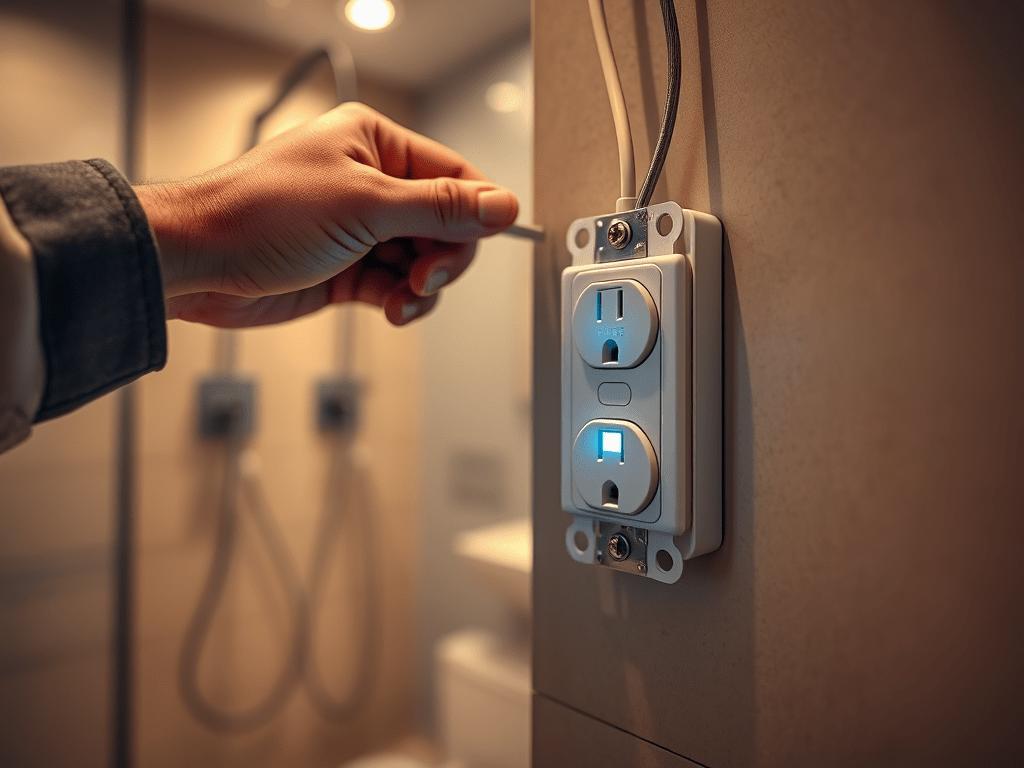
A GFCI outlet is a special type of electrical receptacle that quickly shuts off power when it detects a ground fault or current imbalance. Unlike standard outlets, which may allow dangerous currents to pass through, GFCIs are designed to protect people from severe shocks.

These outlets are easily recognizable by their “TEST” and “RESET” buttons, typically located on the face of the outlet. When functioning properly, the GFCI outlet monitors the flow of electricity and disconnects power within milliseconds if it senses leakage to ground.

Why GFCI Outlet Installation Matters

The U.S. Electrical Code requires GFCI outlets in specific areas because of their proven ability to prevent electrical shock and save lives. They are particularly important in environments where moisture increases the risk of shock. Common areas that require GFCI outlets include:

  • Bathrooms
  • Kitchens
  • Garages
  • Outdoor spaces
  • Laundry rooms
  • Basements or crawl spaces

Proper GFCI outlet installation reduces the risk of electrocution, prevents damage to appliances, and helps your property remain code compliant.

Signs You Need GFCI Outlet Installation or Replacement

Not all homes—especially older properties—are equipped with GFCI outlets in the areas required by code. If you notice any of the following, it may be time to install or replace them:

  • Outlets located near sinks, tubs, or outdoor areas that are not GFCI protected
  • Frequent tripping of breakers when using appliances in wet areas
  • Outlets that feel warm, show discoloration, or spark
  • Outlets more than 20–25 years old without reset/test features
  • A failed test when pressing the “TEST” button on an existing GFCI outlet

Installing or upgrading to GFCI outlets in these situations is critical for safety.

How GFCI Outlet Installation Works

Although the process may seem simple, proper installation is crucial for safety and code compliance. A professional electrician generally follows these steps:

  1. Turn Off Power – Switch off the breaker that controls the outlet location.
  2. Verify Power Is Off – Use a voltage tester to confirm the outlet is safe to handle.
  3. Remove Old Outlet – Disconnect the existing outlet and note wire positions.
  4. Connect Wires to the GFCI Outlet – Attach the line and load wires to the correct terminals, ensuring grounding is secure.
  5. Install the Outlet and Cover Plate – Secure the new GFCI outlet in the box and attach the faceplate.
  6. Test the GFCI – Restore power and press the TEST/RESET buttons to ensure proper function.

Improper wiring can result in loss of protection or constant tripping, which is why professional GFCI outlet installation is highly recommended.

Code Requirements for GFCI Outlet Installation

The National Electrical Code (NEC) specifies where GFCI outlets must be installed in both residential and commercial buildings. Requirements typically include:

  • All bathroom outlets
  • Kitchen countertops within six feet of a sink
  • Laundry areas with utility sinks
  • Outdoor outlets exposed to weather
  • Garages and unfinished basements
  • Crawl spaces and wet bar sinks

Local jurisdictions may add amendments to the NEC, so homeowners should check with city inspectors or licensed electricians to ensure full compliance.

Benefits of Installing GFCI Outlets

  1. Shock Prevention – Protects people from potentially fatal ground faults.
  2. Fire Hazard Reduction – Prevents overheating and short circuits caused by faulty wiring.
  3. Appliance Protection – Reduces the risk of electrical damage to appliances.
  4. Legal Compliance – Keeps homes and businesses in compliance with NEC and local codes.
  5. Peace of Mind – Provides safety assurance for families, employees, and visitors.

DIY vs. Professional GFCI Outlet Installation

Some homeowners attempt DIY GFCI outlet installation, especially if replacing an existing outlet. While this may seem cost-effective, mistakes can lead to dangerous consequences.

Risks of DIY Installation:

  • Incorrect wiring of line and load terminals
  • Lack of grounding or improper bonding
  • Voided insurance if electrical work is not up to code
  • Increased risk of shock or fire hazards

Advantages of Professional Installation:

  • Compliance with NEC and local codes
  • Safe and secure wiring connections
  • Proper testing and verification of protection
  • Warranty and liability coverage for the work

Because GFCI outlets are safety devices, ensuring proper installation by a licensed electrician is the best way to guarantee long-term reliability.

Cost of GFCI Outlet Installation

The cost of GFCI outlet installation depends on whether you are replacing an existing outlet or adding new wiring. On average:

  • Basic Replacement of Existing Outlet – $100–$150 per outlet
  • New GFCI Installation with Wiring – $150–$250 per outlet
  • Multiple Installations – $300–$600 depending on quantity and complexity

Although professional installation costs more than DIY, the added safety, compliance, and peace of mind make it a worthwhile investment.

Final Thoughts

GFCI outlet installation is one of the most important electrical safety upgrades for any home or business. By protecting against ground faults, these outlets reduce the risks of electrical shock, fire, and appliance damage.

Whether you are upgrading an older property or ensuring your home meets the latest codes, installing GFCI outlets is a smart decision that provides long-term benefits. For homeowners, renters, and businesses alike, this simple upgrade can save lives, protect property, and ensure compliance with safety standards.

Breaker Box Installation

Breaker Box Installation Texas: What Homeowners Need to Know

Hello

This is Electric Master wiztech (wiztx.com) who provides useful information about electricity.

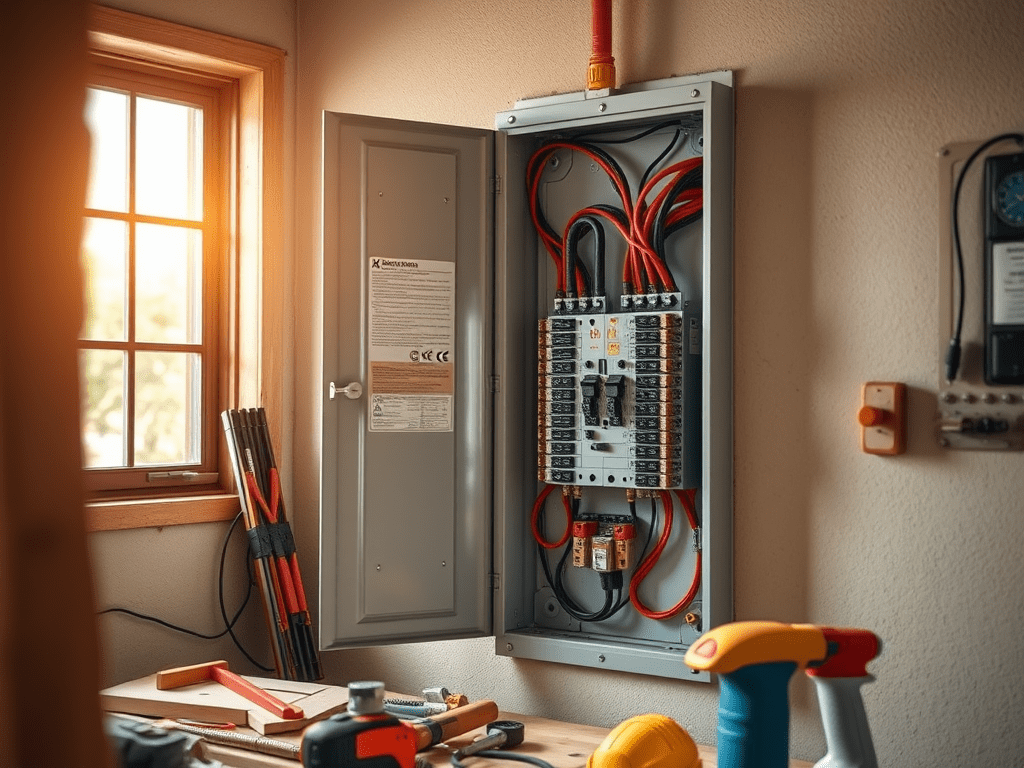
When it comes to the safety and efficiency of your home’s electrical system, few components are as important as the breaker box. Also known as the electrical panel or service panel, the breaker box distributes electricity throughout your home and protects circuits from overloading. For Texas homeowners, where extreme weather and growing energy demands are common, proper breaker box installation is essential to maintaining a safe, reliable, and code-compliant electrical system.

Why Breaker Box Installation Matters

The breaker box is the heart of your home’s electrical system. Every outlet, light, and appliance in your home depends on it. Improper installation or outdated panels can result in serious safety risks such as electrical fires, frequent breaker trips, or even complete power outages.

In Texas, where HVAC systems, electric water heaters, and high-capacity appliances put constant strain on electrical systems, upgrading or installing a new breaker box ensures your home can handle today’s power demands while protecting against dangerous malfunctions.

Signs You Need a New Breaker Box

Even if your current electrical panel seems to be working, there are warning signs that indicate it may be time for replacement or new installation:

  • Frequent tripping of breakers
  • Burning smells or scorch marks around the panel
  • Flickering or dimming lights when appliances are used
  • Outdated fuse box instead of a modern breaker box
  • Lack of available slots for new circuits
  • Breaker box more than 20–30 years old

If you notice any of these issues, it’s important to schedule a professional inspection.

Electrical Code Requirements in Texas

Breaker box installation in Texas must comply with the National Electrical Code (NEC) as well as any local amendments enforced by individual cities or counties. Common requirements include:

  • Proper Sizing: The panel must be rated to handle the home’s electrical load.
  • Grounding and Bonding: Ensuring safe dissipation of electricity to prevent shock hazards.
  • Dedicated Circuits: High-demand appliances such as HVAC, ovens, and dryers must have their own dedicated breakers.
  • Arc-Fault and Ground-Fault Protection: Required in many areas for additional fire and shock prevention.
  • Permits and Inspections: Texas municipalities often require permits and inspections before installation can be approved.

Failing to follow these requirements can result in code violations, failed inspections, and safety risks.

Breaker Box Installation Process

While the process may vary depending on the home’s wiring and needs, professional breaker box installation in Texas generally follows these steps:

  1. Assessment of Electrical Load – Evaluating your home’s current and future power needs.
  2. Shutting Off Power – Disconnecting electricity from the utility to ensure safety.
  3. Removing the Old Panel – Carefully detaching existing wiring and breakers.
  4. Installing the New Breaker Box – Mounting the panel, connecting service wires, and grounding.
  5. Installing Circuit Breakers – Adding breakers for each circuit, ensuring compliance with NEC standards.
  6. Inspection and Testing – Restoring power, testing the panel, and scheduling a city inspection if required.

Because breaker box installation involves direct connection to utility power lines, it should only be handled by licensed electricians.

Choosing the Right Size Breaker Box

One of the most important aspects of breaker box installation in Texas is choosing the correct panel size. Most modern homes require at least a 200-amp panel to support today’s appliances, HVAC systems, and potential additions like EV chargers or solar panels. Smaller 100-amp panels may still be found in older homes but are often insufficient for modern power needs.

Oversizing can be costly, while undersizing can lead to unsafe conditions. A licensed electrician can perform a load calculation to determine the right panel size for your specific home.

Common Challenges with Breaker Box Installation in Texas

Installing a new breaker box in Texas can present unique challenges:

  • Older Homes: Many historic or rural Texas homes have outdated wiring that must be upgraded before a new panel can be installed.
  • Weather Exposure: Outdoor panels must be weatherproof and rated for Texas’s extreme heat, humidity, and occasional storms.
  • Limited Space: In some homes, space for the new panel may be tight, requiring relocation or redesign of circuits.
  • Coordination with Utilities: Installation often requires coordination with the local power company to safely disconnect and reconnect service.

These challenges are best addressed by experienced electricians familiar with Texas codes and climate.

Benefits of Upgrading Your Breaker Box

Upgrading or installing a new breaker box in Texas offers several benefits:

  1. Enhanced Safety – Reduces risks of fires, shocks, and overloads.
  2. Code Compliance – Meets NEC and Texas regulations, ensuring legal safety standards.
  3. Support for Modern Appliances – Provides enough capacity for HVAC, EV chargers, and high-demand electronics.
  4. Improved Home Value – A modern electrical panel is attractive to buyers and increases resale value.
  5. Peace of Mind – Ensures reliable performance and fewer electrical problems in daily life.

DIY vs. Professional Installation

Breaker box installation is not a DIY project. Because it involves working directly with high-voltage power lines, the risks are significant. Common risks of DIY attempts include:

  • Severe injury or electrocution
  • Fire hazards from incorrect wiring
  • Failed inspections and code violations
  • Voided home insurance coverage

Professional electricians provide:

  • Licensed expertise and compliance with NEC and Texas codes
  • Proper tools and safety equipment
  • Warranty-backed installation
  • Coordination with inspectors and utility companies

For safety and long-term reliability, professional installation is always recommended.

Cost of Breaker Box Installation in Texas

The cost of breaker box installation in Texas varies depending on the size of the panel, the condition of the home’s wiring, and whether additional upgrades are needed. On average:

  • Basic Replacement (100–150 amp panel) – $1,000–$2,000
  • Standard Upgrade (200 amp panel) – $2,000–$3,500
  • Heavy-Duty or Large Home Installations – $3,500–$5,000+
  • Additional Costs – Permits, rewiring, grounding upgrades, or utility coordination may increase the price.

While professional installation requires investment, the safety, compliance, and reliability benefits far outweigh the cost.

Final Thoughts

Breaker box installation in Texas is one of the most important electrical projects for homeowners. A properly installed panel ensures safety, supports modern electrical needs, and complies with both NEC and local codes.

Whether you are replacing an outdated fuse box, upgrading to a larger panel, or preparing your home for future energy demands, professional installation provides lasting value and peace of mind. For Texas homeowners, investing in a reliable breaker box is an investment in both safety and comfort.

Light Switch Installation Austin

Light Switch Installation Austin: A Complete Homeowner’s Guide

Hello

This is Electric Master wiztech (wiztx.com) who provides useful information about electricity.

Installing or upgrading a light switch might seem like a small project, but it plays a big role in the safety, comfort, and style of your home. In Austin, where a mix of historic houses and new builds coexist, light switch installation often involves more than just wiring. From modern smart switches to traditional dimmers, choosing the right product and ensuring safe installation can significantly improve your living space. This guide will walk you through everything you need to know about light switch installation in Austin, including types of switches, local code considerations, and tips for safe upgrades.

Why Proper Light Switch Installation Matters

A light switch is one of the most frequently used components in any home, but it’s also a critical safety device. Improper wiring or installation can lead to shorts, sparks, or even fires. In Austin, where energy demands rise during long summers and power systems are heavily relied upon, a faulty switch can add unnecessary risks. Professional installation ensures your switches operate safely, meet local electrical codes, and last for years without issues.

Common Types of Light Switches for Austin Homes

When planning a light switch installation in Austin, TX, homeowners can choose from a wide range of options:

  1. Single-Pole Switches – The most common type, controlling one light fixture from a single location.
  2. Three-Way and Four-Way Switches – Used when you need to control the same light from multiple locations, such as hallways or staircases.
  3. Dimmer Switches – Allowing you to adjust brightness levels, perfect for living rooms and bedrooms.
  4. Smart Switches – Compatible with Wi-Fi or smart home systems, enabling voice control and app integration.
  5. Motion Sensor Switches – Ideal for outdoor lighting or garages, these switches automatically turn lights on when movement is detected.

Each option has its own installation requirements, and not all older Austin homes are equipped for modern switches without an upgrade.

Signs You Need a New Light Switch

Even if your switches appear to be working, there are clear warning signs that indicate replacement or inspection is needed:

  • Switch feels warm or hot to the touch
  • Flickering lights even after replacing bulbs
  • A popping or crackling sound when flipping the switch
  • Delayed response or inconsistent operation
  • Outdated style that doesn’t fit modern electrical needs

Ignoring these issues can compromise safety and efficiency. Replacing a failing switch right away prevents larger electrical problems in the future.

Light Switch Installation Process in Austin

Although every project is slightly different, professional light switch installation in Austin generally follows these steps:

  1. Assessment – Checking the existing wiring, breaker panel, and overall electrical capacity.
  2. Shut Off Power – Ensuring safety by turning off power at the breaker before any work begins.
  3. Remove Old Switch – Carefully disconnecting wires from the existing unit.
  4. Wire the New Switch – Connecting wires securely, following the manufacturer’s and NEC guidelines.
  5. Test the Installation – Powering back on and ensuring the switch functions correctly without issues.

Attempting DIY installation without electrical knowledge can be dangerous. In Austin, compliance with the National Electrical Code (NEC) and local amendments is mandatory, and hiring a licensed electrician ensures the work is done safely and legally.

Austin-Specific Electrical Code Considerations

The City of Austin enforces electrical codes based on the NEC with additional local rules. These may include requirements for:

  • GFCI and AFCI Protection – Certain areas like bathrooms, kitchens, and outdoor spaces may require these safety devices.
  • Grounding – Ensuring switches and outlets are properly grounded.
  • Permit and Inspection – Larger electrical upgrades may require city permits and official inspections before approval.

Understanding these codes is essential not only for safety but also for property value and insurance compliance.

Benefits of Upgrading to Modern Light Switches

Upgrading isn’t just about aesthetics. Modern switches bring real functional benefits to Austin homeowners:

  1. Energy Efficiency – Dimmer and smart switches help lower energy use and reduce utility bills.
  2. Convenience – Smart switches integrate with Alexa, Google Home, or smartphone apps for easy control.
  3. Safety – Motion sensors and properly grounded switches enhance security and reduce fire risks.
  4. Style and Comfort – Modern designs and features improve the overall look and usability of your home.

DIY vs. Professional Installation in Austin

Some homeowners attempt DIY switch installations, especially for simple replacements. While this may seem cost-effective, mistakes can lead to shocks, fire hazards, or code violations. In Austin, hiring a licensed electrician ensures:

  • Compliance with NEC and Austin codes
  • Safe handling of wiring and breakers
  • Warranty-backed installation
  • Peace of mind knowing the work is done correctly

For complex projects like smart switch integration, multi-way switches, or whole-home upgrades, professional installation is highly recommended.

How Much Does Light Switch Installation Cost in Austin?

The cost of light switch installation varies depending on the type of switch and the complexity of the wiring. On average:

  • Basic Single-Pole Switch – $80–$150 (including parts and labor)
  • Dimmer or Smart Switch – $150–$300 per unit
  • Complex Multi-Way Systems – $200–$400 depending on wiring needs

Additional expenses may apply if your home requires rewiring, panel upgrades, or permits. While the upfront cost may seem high, professional installation saves money in the long run by preventing costly repairs and hazards.

Final Thoughts

Light switch installation in Austin is more than just a cosmetic upgrade. It’s about ensuring safety, compliance with local codes, and taking advantage of modern technology for convenience and efficiency. Whether you’re replacing a worn-out switch, upgrading to a smart system, or renovating your home, professional installation provides lasting value.

By investing in proper light switch installation, Austin homeowners can enjoy peace of mind, enhanced comfort, and energy savings, making it a smart decision for both today and the future.

Ceiling Fan Wiring Austin

Ceiling Fan Wiring Austin: A Complete Guide for Homeowners

Hello

This is Electric Master wiztech (wiztx.com) who provides useful information about electricity.

Ceiling fans are a popular choice for many Austin homeowners looking to stay comfortable in the Texas heat while keeping energy costs down. Proper ceiling fan wiring is essential to ensure not only the functionality of the fan but also the safety of your home. In this guide, we’ll cover the basics of ceiling fan wiring in Austin, from understanding the electrical requirements to common installation challenges and why professional assistance is often the smartest option.

Why Ceiling Fan Wiring Matters

Wiring a ceiling fan involves more than just attaching blades and flipping a switch. A ceiling fan is both an electrical fixture and a mechanical appliance, which means improper wiring can cause malfunctions, electrical hazards, or even fires. In Austin, where high temperatures and heavy air conditioning use already put a strain on electrical systems, ensuring safe and reliable wiring is critical.

Proper ceiling fan wiring ensures:

  • Smooth and efficient operation of the fan
  • Reduced risk of electrical shorts and fire hazards
  • Compliance with the National Electrical Code (NEC) and Austin-specific amendments
  • Longevity of both the fan and your home’s electrical system

Electrical Requirements for Ceiling Fan Wiring in Austin

When planning ceiling fan installation in Austin, you need to consider both national and local electrical codes. Key requirements include:

  • Circuit Capacity: Ensure the circuit can handle the added load of the fan and any integrated lights.
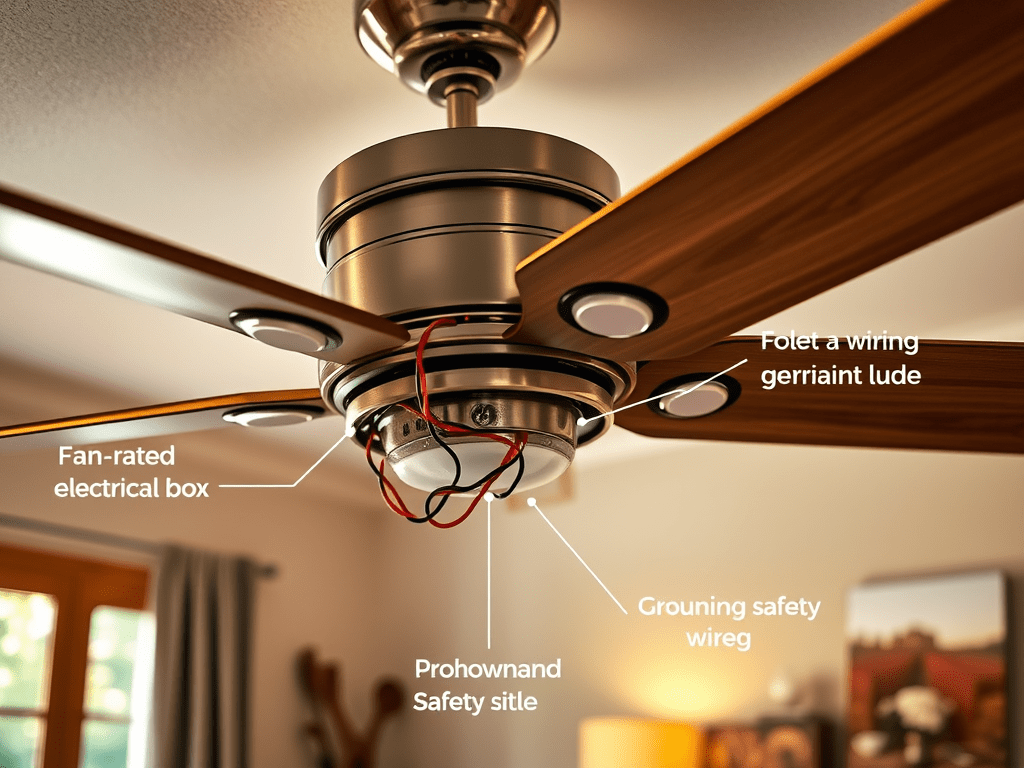
  • Fan-Rated Electrical Box: Standard light boxes cannot support the weight and movement of a fan. A UL-listed, fan-rated box is required.
  • Grounding: All ceiling fans must be properly grounded to prevent shock hazards.
  • Switch Wiring: Decide whether the fan and light will be controlled by separate switches, a single switch, or remote control.
  • Permit and Inspection: In many Austin neighborhoods, electrical work like ceiling fan wiring requires a permit and may be subject to inspection.

Meeting these requirements ensures your installation is safe, legal, and efficient.

Common Ceiling Fan Wiring Configurations

There are several wiring setups depending on how you want to control your ceiling fan:

  1. Single-Switch Control – Both the fan and light operate from one wall switch. The pull chains are used to control fan speed and light separately.
  2. Dual-Switch Control – One switch controls the fan, the other controls the light, providing greater convenience.
  3. Remote-Control Systems – A transmitter allows remote operation of fan speed and light, often without additional wall wiring.
  4. Smart Home Integration – Fans connected to smart switches or hubs allow control via apps or voice assistants like Alexa and Google Home.

Each setup requires proper wiring techniques, and in older Austin homes, electrical upgrades may be necessary to accommodate modern configurations.

Challenges with Ceiling Fan Wiring in Austin Homes

Many Austin homes—especially older properties in neighborhoods like Hyde Park or Travis Heights—were not originally designed with ceiling fans in mind. This presents a few challenges:

  • Outdated Wiring: Older homes may lack the capacity or grounding needed for safe installation.
  • Improper Boxes: Light-only electrical boxes may have been installed, which cannot safely support ceiling fans.
  • Limited Circuit Capacity: With HVAC systems and other appliances already demanding power, circuits may need upgrading.
  • Code Compliance: Austin building codes may require permits and inspections that DIY installers often overlook.

Addressing these challenges often requires the expertise of a licensed electrician.

Benefits of Professional Ceiling Fan Wiring in Austin

While some homeowners attempt DIY ceiling fan installation, hiring a professional electrician provides clear advantages:

  1. Safety – Proper grounding and secure wiring reduce risks of fire and shock.
  2. Code Compliance – Licensed electricians ensure the work meets NEC and Austin requirements.
  3. Efficiency – Professionals complete the job faster and with fewer mistakes.
  4. Warranty Protection – Many fan manufacturers require professional installation for warranty coverage.
  5. Peace of Mind – Knowing the wiring is done correctly means you can enjoy comfort without worry.

DIY vs. Professional Installation

For experienced DIY enthusiasts, installing a ceiling fan with straightforward wiring might be manageable. However, for most homeowners, especially in Austin’s older houses, professional installation is the better option.

Risks of DIY Installation:

  • Using the wrong type of electrical box
  • Incorrect wire connections leading to shorts or malfunctions
  • Violating local codes and risking failed inspections
  • Safety hazards from improper grounding or overloading circuits

Advantages of Professional Wiring:

  • Correct tools and knowledge of Austin-specific regulations
  • Assurance that the fan is secure and balanced
  • Long-term reliability of both the fan and the wiring system

Cost of Ceiling Fan Wiring in Austin

The cost of ceiling fan wiring varies based on complexity, the condition of your home’s electrical system, and whether new wiring or circuits are required. On average:

  • Basic Replacement (using existing wiring) – $100–$250
  • New Installation with Proper Box – $250–$400
  • Dual-Switch or Smart Wiring Setup – $300–$600
  • Extensive Upgrades (rewiring, circuit expansion, permits) – $600+

Though professional installation costs more than DIY, the long-term benefits of safety, compliance, and reliability make it a worthwhile investment.

Final Thoughts

Ceiling fan wiring in Austin is about more than comfort—it’s about safety, efficiency, and compliance with local codes. Whether you are replacing an old fan, adding a new one to improve airflow, or upgrading to a smart ceiling fan system, proper wiring is essential.

By understanding the requirements, recognizing potential challenges, and relying on professional expertise when needed, Austin homeowners can enjoy the full benefits of ceiling fans: cooler summers, lower energy bills, and a safer home environment.