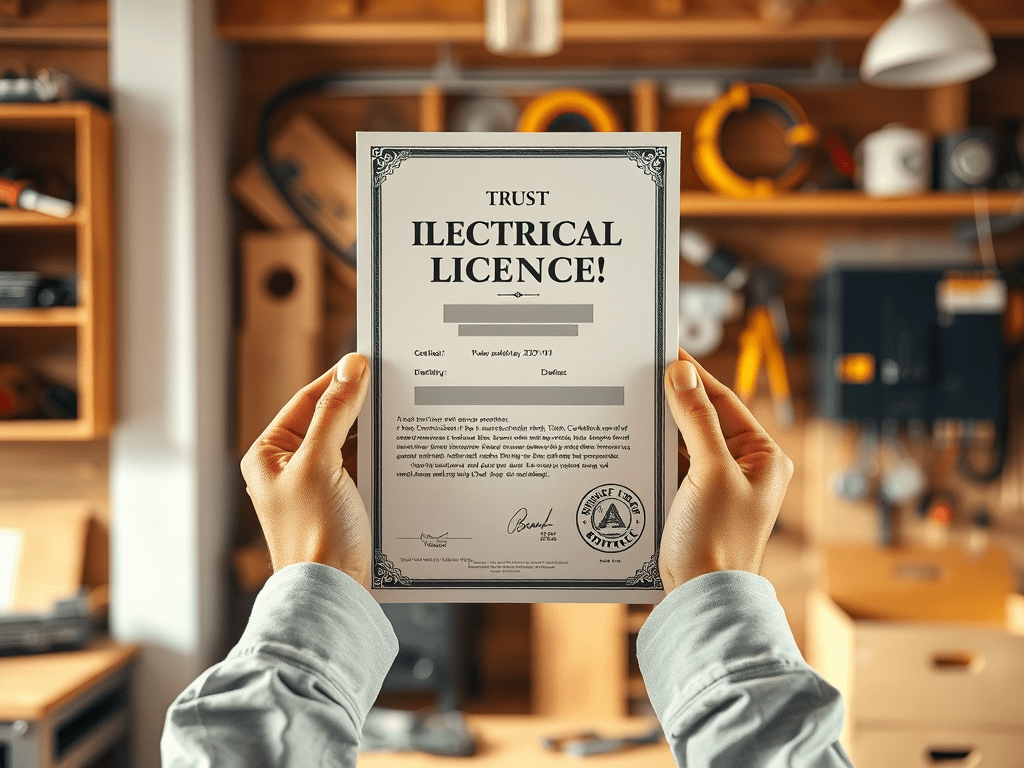
Hello
This is Electric Master nex (nexpoint.llc) who provides useful information about electricity.
Understanding the Electrical Contractor License: A Complete Guide
When it comes to hiring someone to perform electrical work in your home, office, or commercial building, one of the most important things to check is whether they hold a valid electrical contractor license. This license is more than just a piece of paper—it is proof that the contractor has met specific standards of safety, knowledge, and professionalism. For property owners and business managers, understanding what the license means and why it matters can save money, prevent safety hazards, and ensure the job is completed according to code.
What Is an Electrical Contractor License?
An electrical contractor license is an official authorization issued by state or local regulatory authorities. It certifies that the contractor has the necessary training, education, and experience to safely install, repair, and maintain electrical systems. Licensing requirements vary from state to state, but in general, applicants must complete classroom education, accumulate on-the-job training hours, and pass one or more exams.
There are usually different classes of licenses. For example, some states distinguish between a “Master Electrician License,” which allows the contractor to design and supervise projects, and a “Journeyman License,” which permits the contractor to perform electrical work under supervision. The electrical contractor license often represents the highest level of responsibility, enabling a business or individual to contract directly with customers.
Why Licensing Matters
Hiring a licensed contractor is not just about following the rules—it is about protecting people and property. Licensed contractors are required to comply with the National Electrical Code (NEC) and any local amendments. This ensures that all work meets minimum safety standards and reduces the risk of fire, electrocution, and costly damage.
Unlicensed work might seem cheaper at first, but it can create serious problems. Many insurance policies will not cover damages caused by unlicensed electrical work. Furthermore, if an accident occurs on a job performed by someone without an electrical contractor license, the property owner may be held liable.
The Process of Obtaining a License
To qualify for an electrical contractor license, individuals typically need several years of experience working as an electrician. This may involve:
- Completing an apprenticeship program with both classroom instruction and hands-on training.
- Working as a journeyman electrician for a minimum number of years.
- Passing exams that test knowledge of the electrical code, local building codes, and business practices.
Applicants often must also show proof of liability insurance and, in some states, proof of financial responsibility such as a surety bond. The licensing authority wants to ensure that contractors are not only technically competent but also prepared to operate a legitimate and reliable business.
Maintaining and Renewing the License
An electrical contractor license is not permanent. Most states require contractors to renew their license every one to three years. Renewal often requires proof of continuing education. This ensures that contractors stay updated on changes to electrical codes, safety regulations, and new technologies.
Continuing education is especially important in an industry where standards and technology evolve rapidly. From energy-efficient systems to renewable energy installations, licensed contractors need to stay ahead of industry trends to provide the best service to their clients.
How to Verify a Contractor’s License
Before hiring, it is always wise to verify that a contractor’s license is current and valid. Most states provide online databases where consumers can search for licensed contractors. This allows homeowners and business owners to confirm that the contractor they are considering is legally authorized to perform the work.
Verifying a license not only gives peace of mind but also ensures accountability. If issues arise, consumers have a regulatory body to report to, something that is not possible with unlicensed individuals.
Final Thoughts
The electrical contractor license is a vital credential that protects both consumers and professionals. For contractors, it represents years of hard work, study, and commitment to safety. For property owners, it provides assurance that electrical work will be completed according to the highest standards.
Whether you are planning a small home repair or a large commercial project, always insist on working with a licensed electrical contractor. Doing so ensures safety, reliability, and long-term value for your property.
 electric guy