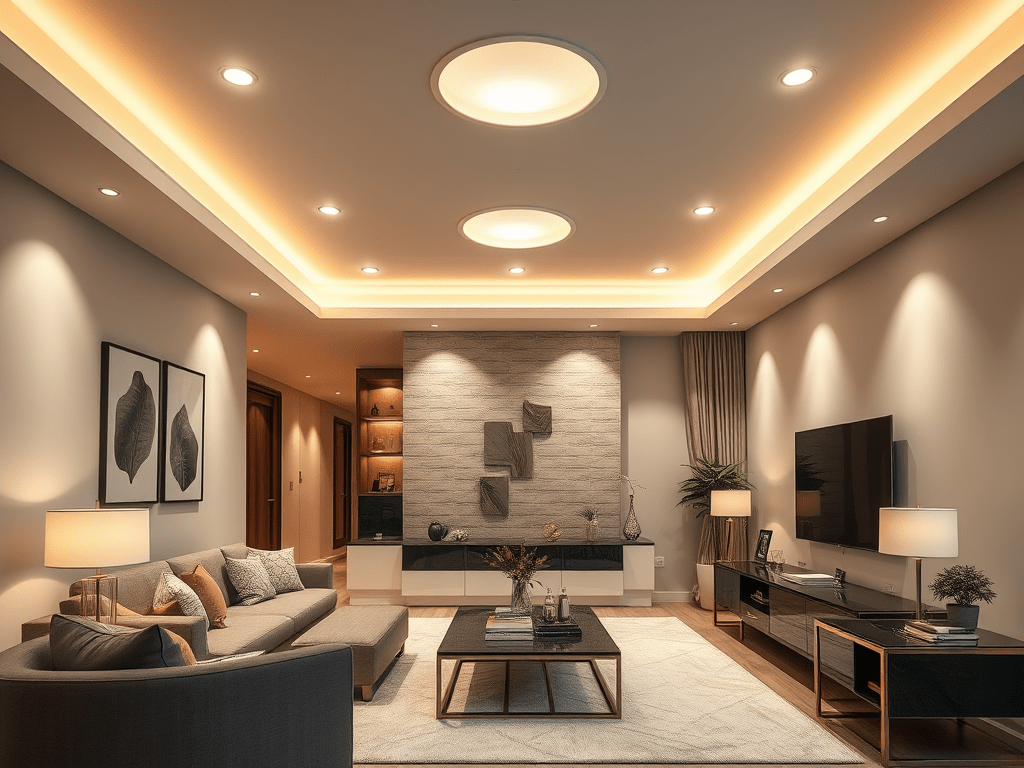
Recessed Lighting Installation: A Complete Guide for Homeowners
Hello
This is Electric Master wiztech (wiztx.com) who provides useful information about electricity.
Lighting plays a central role in defining the overall feel and functionality of a home. The type of lighting you choose can make a room feel warm and inviting, bright and energetic, or calm and relaxing. Among the many lighting options available, recessed lighting—often called can lights or downlights—has become one of the most popular choices for homeowners. Its appeal lies in the fact that it blends seamlessly into the ceiling, offering a modern, clutter-free appearance while still providing excellent illumination. With the right recessed lighting installation, you can make even the smallest room appear larger, highlight key design elements, and add long-term value to your property.
What Is Recessed Lighting?
Recessed lighting is a system of light fixtures that are installed directly into the ceiling, so the housing of the light is hidden within the ceiling cavity. Unlike chandeliers or pendant lights that hang down, recessed lights sit flush with the ceiling, creating a minimalist design that doesn’t interfere with décor or furniture placement.
Each recessed light typically consists of three main components:
- Housing – The part hidden within the ceiling that holds the wiring and electrical components.
- Trim – The visible portion, which can be styled to control glare, direct the beam, or blend with the ceiling.
- Bulb or LED Module – The light source itself, available in halogen, CFL, or, most commonly today, LED.
Because recessed lights can serve multiple purposes—general lighting, task lighting, and accent lighting—they are considered one of the most versatile forms of residential lighting.
Benefits of Recessed Lighting Installation
Recessed lighting offers a wide variety of benefits compared to other lighting systems.
- Modern Appearance: Unlike bulky ceiling fixtures, recessed lights deliver a clean, streamlined look that fits almost any interior style, from contemporary homes to traditional spaces.
- Space Efficiency: For homes with low ceilings, recessed lights are ideal because they don’t hang down and interfere with headroom.
- Customizable Illumination: With the right trim and bulb selection, you can control everything from the brightness level to the angle of the beam, allowing for both practical and decorative uses.
- Energy Efficiency: Modern recessed lighting installations typically use LED modules, which last much longer and consume far less energy than older bulbs.
- Improved Property Value: Buyers often perceive homes with well-planned recessed lighting as more modern, functional, and desirable.
In short, recessed lighting installation isn’t just about aesthetics—it’s an investment in comfort, functionality, and energy savings.
Planning Your Recessed Lighting Installation
One of the most critical steps is proper planning. Without it, you might end up with uneven lighting, wasted energy, or an unattractive design.
- Room Layout: Think about how each room is used. Kitchens need task lighting over counters, while living rooms may need softer, layered lighting.
- Fixture Spacing: The general rule is to install recessed lights 4–6 feet apart, but this depends on ceiling height. Higher ceilings often require closer spacing or brighter bulbs.
- Bulb Choice: LEDs are the standard due to their efficiency and long lifespan, but homeowners can also choose between warm (2700K) or cool (5000K) color temperatures depending on the desired mood.
- Trim Options: Baffle trims reduce glare, reflector trims maximize brightness, and adjustable trims let you direct light toward artwork or architectural details.
- Electrical Capacity: Adding multiple fixtures requires ensuring your electrical system can handle the additional load without overloading circuits.
By carefully planning recessed lighting installation, you’ll achieve a design that is both attractive and functional.
Common Areas for Recessed Lighting
Recessed lighting can be incorporated into nearly every area of the home.
- Kitchen: Recessed lights provide shadow-free illumination over countertops, islands, and cooking spaces.
- Living Room: When combined with lamps, they create layered lighting that can adapt to different moods or activities.
- Bathroom: Bright, evenly distributed light is essential for grooming, and moisture-rated recessed fixtures are ideal here.
- Hallways and Staircases: Enhance safety while adding a polished look.
- Home Office: Even lighting reduces glare on screens and helps improve focus.
- Basements: Often dark and enclosed, basements benefit greatly from the added brightness of recessed lights.
Each space has its own requirements, which is why placement and fixture selection matter so much.
Step-by-Step Recessed Lighting Installation Process
Recessed lighting installation may look simple, but it is a detailed process that requires knowledge of electrical systems and building codes. Professionals usually follow these steps:
- Planning and Marking – Determine where the fixtures will go, keeping both lighting design and wiring paths in mind.
- Shutting Off Power – Always turn off power at the breaker panel to avoid hazards.
- Cutting Ceiling Holes – Precision is critical to avoid damage to drywall and ensure a snug fit.
- Running Electrical Wiring – Wires must be routed carefully through the ceiling to each fixture location.
- Installing Housing Units – The can lights are secured in place, often with special clips or brackets.
- Connecting Wires – Wires are attached to terminals following NEC (National Electrical Code) standards.
- Adding Trim and Bulbs – The visible parts are installed, and bulbs or LED modules are placed.
- Testing and Adjusting – Power is restored, and each light is tested for function and alignment.
This process demonstrates why recessed lighting installation should typically be handled by professionals rather than attempted as a DIY project.
Challenges and Considerations
Homeowners often underestimate the complexities of recessed lighting installation. Some of the biggest challenges include:
- Insulation Contact: Fixtures installed near insulation must be IC-rated (insulation contact) to avoid fire hazards.
- Ceiling Material: Installing in concrete or double-layered ceilings requires specialized tools and more labor.
- Avoiding Over-lighting: Too many lights can make a room feel harsh and clinical rather than welcoming.
- Electrical Load: Adding numerous fixtures without accounting for total electrical capacity can cause breaker trips.
- Code Compliance: NEC and local codes must be followed to pass inspections and guarantee safety.
Planning ahead and using qualified electricians helps avoid these pitfalls.
DIY vs. Professional Recessed Lighting Installation
Some homeowners consider DIY installation to save money. While possible, the risks are significant.
Risks of DIY Installation:
- Inaccurate ceiling cuts that damage drywall
- Unsafe wiring that can lead to fires
- Circuit overloads causing repeated breaker trips
- Failure to meet NEC standards, leading to failed inspections
Advantages of Professional Installation:
- Work complies with NEC and local codes
- Proper wiring and circuit balancing ensure safety
- Expert placement maximizes both aesthetics and efficiency
- Professional work often includes warranties or guarantees
- Saves time, effort, and avoids costly mistakes
Ultimately, professional recessed lighting installation ensures both safety and long-term reliability.
Cost of Recessed Lighting Installation
Costs vary based on the number of fixtures, ceiling construction, and wiring complexity. Typical ranges include:
- Basic Installation (per fixture) – $150–$250
- Retrofit Installation in Existing Ceilings – $200–$400 per fixture
- Large Projects (entire room or multiple rooms) – $1,000–$3,000+
Additional expenses may arise if new wiring, dimmer switches, or electrical panel upgrades are needed. While professional installation is more expensive than DIY, the safety, appearance, and long-term efficiency gains justify the investment.
Final Thoughts
Recessed lighting installation is one of the most effective ways to improve your home’s appearance and functionality. It provides a modern, streamlined look while delivering versatile lighting options for every room. From planning and design to professional installation, the process ensures not only better illumination but also compliance with safety standards.
Whether you are renovating a kitchen, updating a living room, or finishing a basement, recessed lighting installation offers a smart, durable, and aesthetically pleasing solution that can dramatically enhance both comfort and home value.
 electric guy