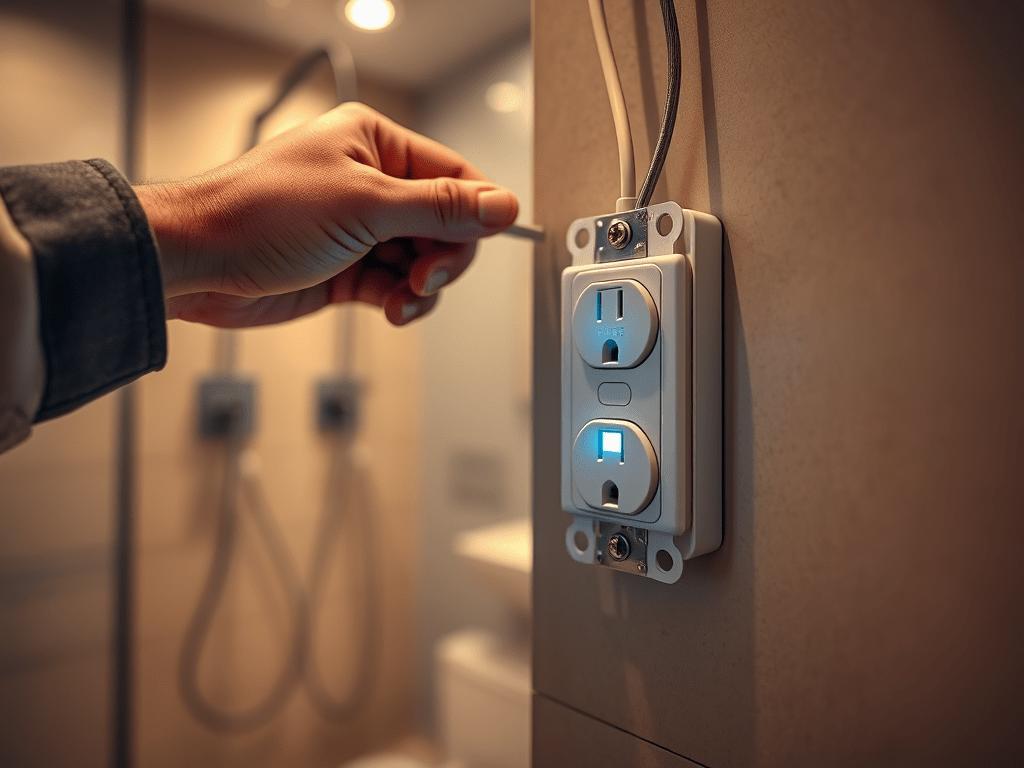
GFCI Outlet Installation: A Homeowner’s Guide to Safety and Compliance
Hello
This is Electric Master wiztech (wiztx.com) who provides useful information about electricity.
Electricity is one of the most essential parts of modern living, but it can also be dangerous when not managed properly. Ground Fault Circuit Interrupter (GFCI) outlets are designed to protect people from electrical shock, especially in areas where water and electricity are likely to come into contact. Proper GFCI outlet installation is not only a safety requirement but also a code compliance necessity in most residential and commercial settings.
What Is a GFCI Outlet?
A GFCI outlet is a special type of electrical receptacle that quickly shuts off power when it detects a ground fault or current imbalance. Unlike standard outlets, which may allow dangerous currents to pass through, GFCIs are designed to protect people from severe shocks.
These outlets are easily recognizable by their “TEST” and “RESET” buttons, typically located on the face of the outlet. When functioning properly, the GFCI outlet monitors the flow of electricity and disconnects power within milliseconds if it senses leakage to ground.
Why GFCI Outlet Installation Matters
The U.S. Electrical Code requires GFCI outlets in specific areas because of their proven ability to prevent electrical shock and save lives. They are particularly important in environments where moisture increases the risk of shock. Common areas that require GFCI outlets include:
- Bathrooms
- Kitchens
- Garages
- Outdoor spaces
- Laundry rooms
- Basements or crawl spaces
Proper GFCI outlet installation reduces the risk of electrocution, prevents damage to appliances, and helps your property remain code compliant.
Signs You Need GFCI Outlet Installation or Replacement
Not all homes—especially older properties—are equipped with GFCI outlets in the areas required by code. If you notice any of the following, it may be time to install or replace them:
- Outlets located near sinks, tubs, or outdoor areas that are not GFCI protected
- Frequent tripping of breakers when using appliances in wet areas
- Outlets that feel warm, show discoloration, or spark
- Outlets more than 20–25 years old without reset/test features
- A failed test when pressing the “TEST” button on an existing GFCI outlet
Installing or upgrading to GFCI outlets in these situations is critical for safety.
How GFCI Outlet Installation Works
Although the process may seem simple, proper installation is crucial for safety and code compliance. A professional electrician generally follows these steps:
- Turn Off Power – Switch off the breaker that controls the outlet location.
- Verify Power Is Off – Use a voltage tester to confirm the outlet is safe to handle.
- Remove Old Outlet – Disconnect the existing outlet and note wire positions.
- Connect Wires to the GFCI Outlet – Attach the line and load wires to the correct terminals, ensuring grounding is secure.
- Install the Outlet and Cover Plate – Secure the new GFCI outlet in the box and attach the faceplate.
- Test the GFCI – Restore power and press the TEST/RESET buttons to ensure proper function.
Improper wiring can result in loss of protection or constant tripping, which is why professional GFCI outlet installation is highly recommended.
Code Requirements for GFCI Outlet Installation
The National Electrical Code (NEC) specifies where GFCI outlets must be installed in both residential and commercial buildings. Requirements typically include:
- All bathroom outlets
- Kitchen countertops within six feet of a sink
- Laundry areas with utility sinks
- Outdoor outlets exposed to weather
- Garages and unfinished basements
- Crawl spaces and wet bar sinks
Local jurisdictions may add amendments to the NEC, so homeowners should check with city inspectors or licensed electricians to ensure full compliance.
Benefits of Installing GFCI Outlets
- Shock Prevention – Protects people from potentially fatal ground faults.
- Fire Hazard Reduction – Prevents overheating and short circuits caused by faulty wiring.
- Appliance Protection – Reduces the risk of electrical damage to appliances.
- Legal Compliance – Keeps homes and businesses in compliance with NEC and local codes.
- Peace of Mind – Provides safety assurance for families, employees, and visitors.
DIY vs. Professional GFCI Outlet Installation
Some homeowners attempt DIY GFCI outlet installation, especially if replacing an existing outlet. While this may seem cost-effective, mistakes can lead to dangerous consequences.
Risks of DIY Installation:
- Incorrect wiring of line and load terminals
- Lack of grounding or improper bonding
- Voided insurance if electrical work is not up to code
- Increased risk of shock or fire hazards
Advantages of Professional Installation:
- Compliance with NEC and local codes
- Safe and secure wiring connections
- Proper testing and verification of protection
- Warranty and liability coverage for the work
Because GFCI outlets are safety devices, ensuring proper installation by a licensed electrician is the best way to guarantee long-term reliability.
Cost of GFCI Outlet Installation
The cost of GFCI outlet installation depends on whether you are replacing an existing outlet or adding new wiring. On average:
- Basic Replacement of Existing Outlet – $100–$150 per outlet
- New GFCI Installation with Wiring – $150–$250 per outlet
- Multiple Installations – $300–$600 depending on quantity and complexity
Although professional installation costs more than DIY, the added safety, compliance, and peace of mind make it a worthwhile investment.
Final Thoughts
GFCI outlet installation is one of the most important electrical safety upgrades for any home or business. By protecting against ground faults, these outlets reduce the risks of electrical shock, fire, and appliance damage.
Whether you are upgrading an older property or ensuring your home meets the latest codes, installing GFCI outlets is a smart decision that provides long-term benefits. For homeowners, renters, and businesses alike, this simple upgrade can save lives, protect property, and ensure compliance with safety standards.
 electric guy