Hello
This is Electric Master wiztech (wiztx.com) who provides useful information about electricity.
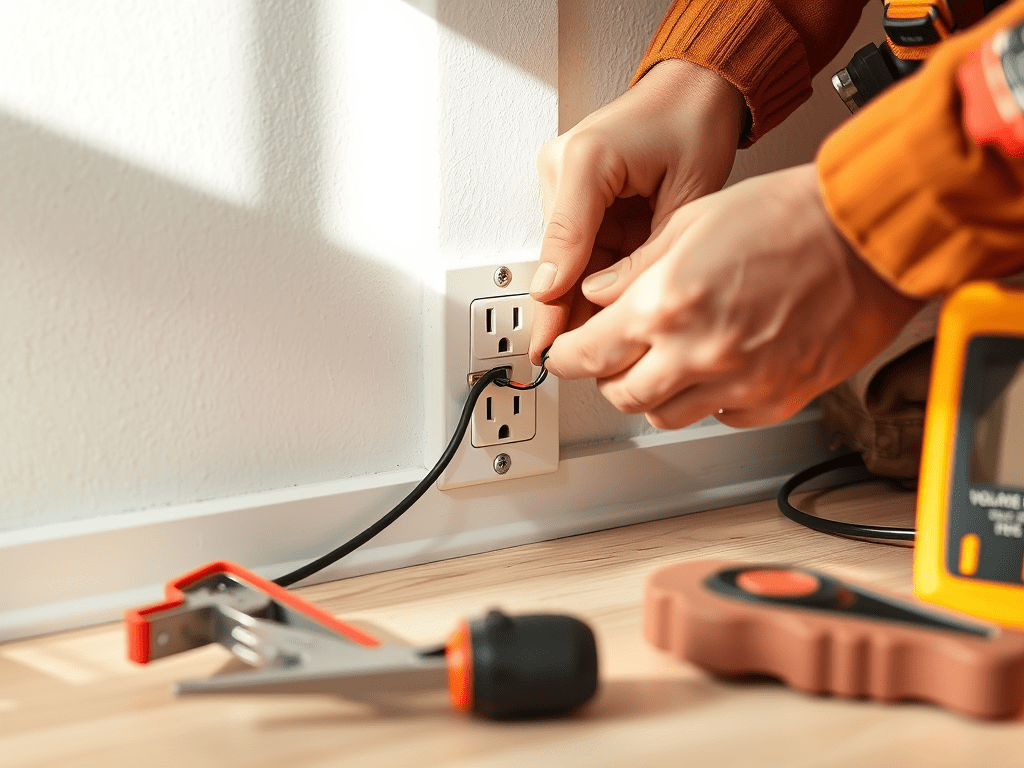
Electrical outlets are one of the most essential components of any home or business. They provide the connection point between your electrical system and the devices you rely on daily, from appliances and chargers to office equipment and entertainment systems. Proper electrical outlet installation ensures safety, convenience, and efficiency. Whether you’re building a new property, renovating an older one, or simply replacing outdated outlets, understanding the installation process and requirements is critical.
Why Proper Electrical Outlet Installation Matters
Installing an electrical outlet may seem simple, but it directly impacts both safety and functionality. Poorly installed outlets can lead to electrical shocks, fire hazards, or damage to expensive electronics. According to the U.S. Consumer Product Safety Commission, thousands of residential fires each year are caused by electrical outlets and wiring issues.
A properly installed outlet provides consistent power, meets local and national electrical codes, and reduces long-term risks. For homeowners and businesses alike, investing in professional outlet installation is not just about convenience—it’s about peace of mind.
Common Types of Electrical Outlets
Before starting an electrical outlet installation project, it’s important to understand the different types of outlets available and their purposes:
- Standard Duplex Outlet – The most common outlet found in homes, providing two receptacles for general use.
- GFCI Outlet (Ground Fault Circuit Interrupter) – Required in areas with water exposure, such as bathrooms, kitchens, and outdoor spaces. They protect against shock by shutting off power when imbalances are detected.
- AFCI Outlet (Arc Fault Circuit Interrupter) – Designed to prevent fires caused by arcing faults, now required in many living spaces under the National Electrical Code (NEC).
- USB Outlets – Convenient for charging smartphones, tablets, and other devices without needing a separate adapter.
- 20-Amp Outlets – Identifiable by a horizontal slot, these outlets provide more power and are often used in kitchens or garages for heavy appliances.
- Smart Outlets – Integrated with Wi-Fi or smart home systems, allowing remote control and energy monitoring.
Each type of outlet has unique installation requirements, and choosing the right one depends on your needs and local code requirements.
Signs It’s Time to Replace or Add Outlets
Even if your current outlets seem to be working, certain signs indicate replacement or additional outlets are needed:
- Outlets feel warm or show burn marks
- Frequent use of extension cords or power strips
- Loose connections where plugs easily fall out
- No GFCI protection in kitchens, bathrooms, or outdoor areas
- Older two-prong outlets without grounding
- Frequent tripping of breakers when using appliances
Adding new outlets or upgrading old ones not only improves safety but also enhances convenience for modern electrical demands.
Electrical Outlet Installation Process
A professional electrician typically follows a clear process when installing or upgrading outlets:
- Planning and Code Review – Determining the correct type of outlet and placement according to NEC and local requirements.
- Shutting Off Power – Ensuring safety by turning off electricity at the breaker panel.
- Wiring Preparation – Running new wiring if necessary or preparing existing circuits.
- Mounting the Outlet Box – Securing the box in the wall or surface.
- Connecting the Wires – Attaching hot, neutral, and ground wires properly.
- Installing the Outlet and Cover Plate – Ensuring secure connections and a clean finish.
- Testing – Restoring power and testing with voltage meters to confirm safe operation.
While some homeowners attempt DIY installations, electrical work involves significant risks. Mistakes can lead to shocks, fires, or code violations, which is why professional installation is strongly recommended.
Code and Permit Considerations
In the U.S., all electrical outlet installations must comply with the National Electrical Code (NEC). Many local jurisdictions, including cities like Austin, Dallas, or Houston, add their own amendments to the NEC. Common requirements include:
- GFCI outlets in wet or damp areas
- AFCI protection in bedrooms and living spaces
- Proper grounding for all outlets
- Adequate spacing between outlets in living areas (typically every 6–12 feet)
- City permits and inspections for major electrical upgrades
Failing to follow these codes can result in failed inspections, reduced property value, and safety hazards.
Benefits of Upgrading Outlets
Modern outlet installations offer several advantages:
- Increased Safety – GFCI and AFCI outlets reduce risks of shock and fire.
- Better Convenience – USB and smart outlets make daily device charging and control easier.
- Improved Aesthetics – Newer outlets and cover plates provide a cleaner look for your home or office.
- Higher Property Value – Updated electrical systems are attractive to buyers and renters.
- Energy Efficiency – Smart outlets can monitor and reduce unnecessary power usage.
DIY vs. Professional Outlet Installation
While installing a basic outlet may look straightforward, it requires knowledge of wiring, grounding, and code compliance. DIY attempts often overlook critical safety steps, such as proper grounding or correct wire connections.
DIY Installation Risks:
- Increased chance of electrical fires
- Voided insurance coverage in case of damage
- Possible fines for non-compliance with code
Professional Installation Benefits:
- Licensed electricians ensure NEC and local code compliance
- Safe and reliable wiring connections
- Warranty and liability coverage for the work
- Long-term peace of mind
For homeowners and businesses, the benefits of professional installation far outweigh the short-term savings of DIY.
Cost of Electrical Outlet Installation
The cost of electrical outlet installation depends on the type of outlet, the complexity of the wiring, and local labor rates. On average:
- Standard Outlet – $100–$150 per outlet
- GFCI Outlet – $150–$250 per outlet
- AFCI or USB Outlets – $200–$300 per outlet
- Smart Outlets – $250–$400 per outlet
If new wiring, panel upgrades, or permits are required, costs may increase. While the investment may seem high, it improves both safety and property value, making it well worth the expense.
Final Thoughts
Electrical outlet installation is not just about adding more power access points—it’s about creating a safer, more efficient, and more convenient living or working environment. Whether you’re upgrading outdated two-prong outlets, adding GFCI protection, or installing smart outlets, doing the job correctly makes all the difference.
By relying on proper installation methods and professional expertise, you ensure that your property meets modern electrical needs, complies with codes, and protects both people and equipment. Electrical outlet installation is a smart investment that pays off in safety, functionality, and long-term value.
 electric guy