Ceiling Fan Wiring Austin: A Complete Guide for Homeowners
Hello
This is Electric Master wiztech (wiztx.com) who provides useful information about electricity.
Ceiling fans are a popular choice for many Austin homeowners looking to stay comfortable in the Texas heat while keeping energy costs down. Proper ceiling fan wiring is essential to ensure not only the functionality of the fan but also the safety of your home. In this guide, we’ll cover the basics of ceiling fan wiring in Austin, from understanding the electrical requirements to common installation challenges and why professional assistance is often the smartest option.
Why Ceiling Fan Wiring Matters
Wiring a ceiling fan involves more than just attaching blades and flipping a switch. A ceiling fan is both an electrical fixture and a mechanical appliance, which means improper wiring can cause malfunctions, electrical hazards, or even fires. In Austin, where high temperatures and heavy air conditioning use already put a strain on electrical systems, ensuring safe and reliable wiring is critical.
Proper ceiling fan wiring ensures:
- Smooth and efficient operation of the fan
- Reduced risk of electrical shorts and fire hazards
- Compliance with the National Electrical Code (NEC) and Austin-specific amendments
- Longevity of both the fan and your home’s electrical system
Electrical Requirements for Ceiling Fan Wiring in Austin
When planning ceiling fan installation in Austin, you need to consider both national and local electrical codes. Key requirements include:
- Circuit Capacity: Ensure the circuit can handle the added load of the fan and any integrated lights.
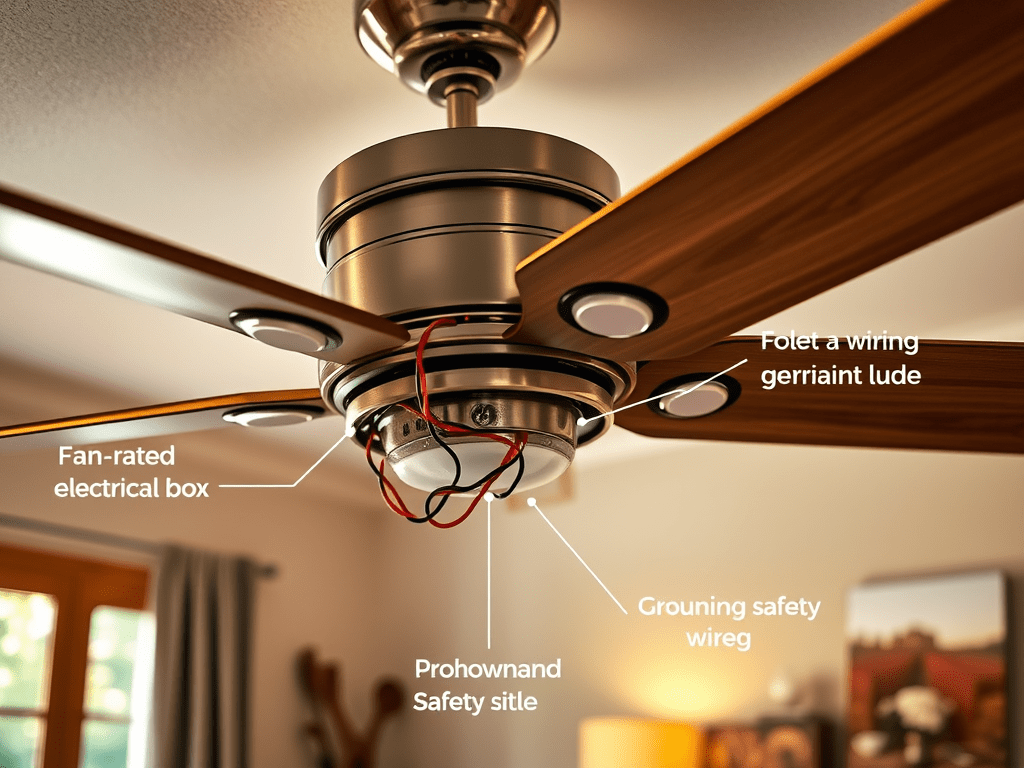
- Fan-Rated Electrical Box: Standard light boxes cannot support the weight and movement of a fan. A UL-listed, fan-rated box is required.
- Grounding: All ceiling fans must be properly grounded to prevent shock hazards.
- Switch Wiring: Decide whether the fan and light will be controlled by separate switches, a single switch, or remote control.
- Permit and Inspection: In many Austin neighborhoods, electrical work like ceiling fan wiring requires a permit and may be subject to inspection.
Meeting these requirements ensures your installation is safe, legal, and efficient.
Common Ceiling Fan Wiring Configurations
There are several wiring setups depending on how you want to control your ceiling fan:
- Single-Switch Control – Both the fan and light operate from one wall switch. The pull chains are used to control fan speed and light separately.
- Dual-Switch Control – One switch controls the fan, the other controls the light, providing greater convenience.
- Remote-Control Systems – A transmitter allows remote operation of fan speed and light, often without additional wall wiring.
- Smart Home Integration – Fans connected to smart switches or hubs allow control via apps or voice assistants like Alexa and Google Home.
Each setup requires proper wiring techniques, and in older Austin homes, electrical upgrades may be necessary to accommodate modern configurations.
Challenges with Ceiling Fan Wiring in Austin Homes
Many Austin homes—especially older properties in neighborhoods like Hyde Park or Travis Heights—were not originally designed with ceiling fans in mind. This presents a few challenges:
- Outdated Wiring: Older homes may lack the capacity or grounding needed for safe installation.
- Improper Boxes: Light-only electrical boxes may have been installed, which cannot safely support ceiling fans.
- Limited Circuit Capacity: With HVAC systems and other appliances already demanding power, circuits may need upgrading.
- Code Compliance: Austin building codes may require permits and inspections that DIY installers often overlook.
Addressing these challenges often requires the expertise of a licensed electrician.
Benefits of Professional Ceiling Fan Wiring in Austin
While some homeowners attempt DIY ceiling fan installation, hiring a professional electrician provides clear advantages:
- Safety – Proper grounding and secure wiring reduce risks of fire and shock.
- Code Compliance – Licensed electricians ensure the work meets NEC and Austin requirements.
- Efficiency – Professionals complete the job faster and with fewer mistakes.
- Warranty Protection – Many fan manufacturers require professional installation for warranty coverage.
- Peace of Mind – Knowing the wiring is done correctly means you can enjoy comfort without worry.
DIY vs. Professional Installation
For experienced DIY enthusiasts, installing a ceiling fan with straightforward wiring might be manageable. However, for most homeowners, especially in Austin’s older houses, professional installation is the better option.
Risks of DIY Installation:
- Using the wrong type of electrical box
- Incorrect wire connections leading to shorts or malfunctions
- Violating local codes and risking failed inspections
- Safety hazards from improper grounding or overloading circuits
Advantages of Professional Wiring:
- Correct tools and knowledge of Austin-specific regulations
- Assurance that the fan is secure and balanced
- Long-term reliability of both the fan and the wiring system
Cost of Ceiling Fan Wiring in Austin
The cost of ceiling fan wiring varies based on complexity, the condition of your home’s electrical system, and whether new wiring or circuits are required. On average:
- Basic Replacement (using existing wiring) – $100–$250
- New Installation with Proper Box – $250–$400
- Dual-Switch or Smart Wiring Setup – $300–$600
- Extensive Upgrades (rewiring, circuit expansion, permits) – $600+
Though professional installation costs more than DIY, the long-term benefits of safety, compliance, and reliability make it a worthwhile investment.
Final Thoughts
Ceiling fan wiring in Austin is about more than comfort—it’s about safety, efficiency, and compliance with local codes. Whether you are replacing an old fan, adding a new one to improve airflow, or upgrading to a smart ceiling fan system, proper wiring is essential.
By understanding the requirements, recognizing potential challenges, and relying on professional expertise when needed, Austin homeowners can enjoy the full benefits of ceiling fans: cooler summers, lower energy bills, and a safer home environment.
 electric guy