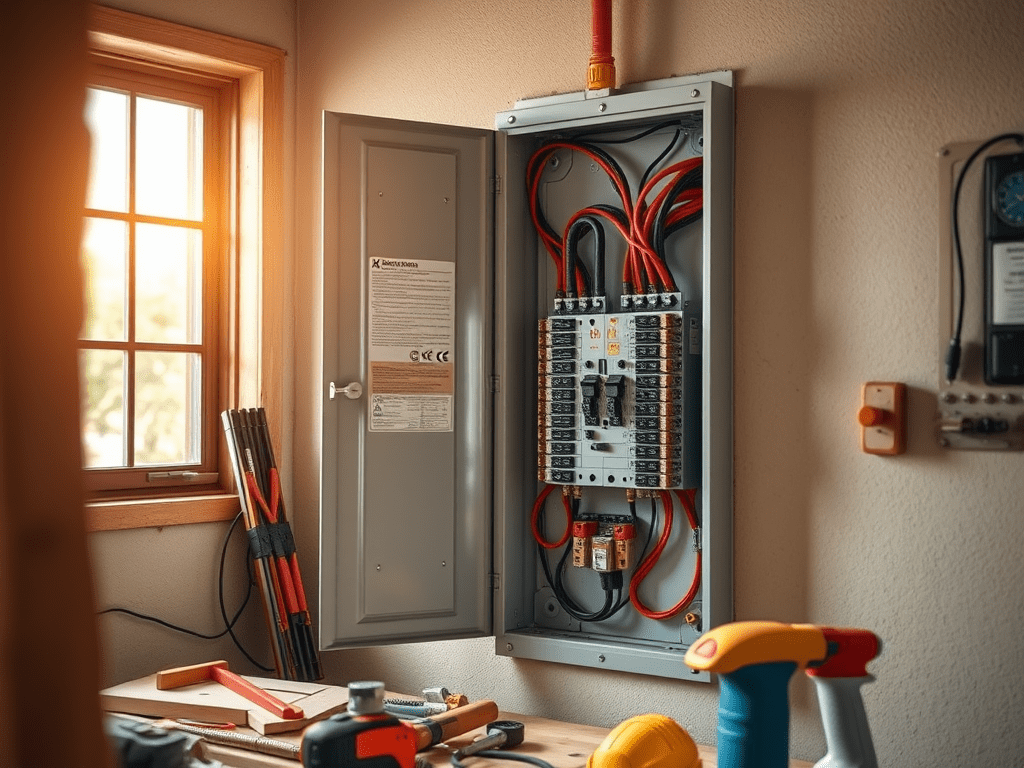
Breaker Box Installation Texas: What Homeowners Need to Know
Hello
This is Electric Master wiztech (wiztx.com) who provides useful information about electricity.
When it comes to the safety and efficiency of your home’s electrical system, few components are as important as the breaker box. Also known as the electrical panel or service panel, the breaker box distributes electricity throughout your home and protects circuits from overloading. For Texas homeowners, where extreme weather and growing energy demands are common, proper breaker box installation is essential to maintaining a safe, reliable, and code-compliant electrical system.
Why Breaker Box Installation Matters
The breaker box is the heart of your home’s electrical system. Every outlet, light, and appliance in your home depends on it. Improper installation or outdated panels can result in serious safety risks such as electrical fires, frequent breaker trips, or even complete power outages.
In Texas, where HVAC systems, electric water heaters, and high-capacity appliances put constant strain on electrical systems, upgrading or installing a new breaker box ensures your home can handle today’s power demands while protecting against dangerous malfunctions.
Signs You Need a New Breaker Box
Even if your current electrical panel seems to be working, there are warning signs that indicate it may be time for replacement or new installation:
- Frequent tripping of breakers
- Burning smells or scorch marks around the panel
- Flickering or dimming lights when appliances are used
- Outdated fuse box instead of a modern breaker box
- Lack of available slots for new circuits
- Breaker box more than 20–30 years old
If you notice any of these issues, it’s important to schedule a professional inspection.
Electrical Code Requirements in Texas
Breaker box installation in Texas must comply with the National Electrical Code (NEC) as well as any local amendments enforced by individual cities or counties. Common requirements include:
- Proper Sizing: The panel must be rated to handle the home’s electrical load.
- Grounding and Bonding: Ensuring safe dissipation of electricity to prevent shock hazards.
- Dedicated Circuits: High-demand appliances such as HVAC, ovens, and dryers must have their own dedicated breakers.
- Arc-Fault and Ground-Fault Protection: Required in many areas for additional fire and shock prevention.
- Permits and Inspections: Texas municipalities often require permits and inspections before installation can be approved.
Failing to follow these requirements can result in code violations, failed inspections, and safety risks.
Breaker Box Installation Process
While the process may vary depending on the home’s wiring and needs, professional breaker box installation in Texas generally follows these steps:
- Assessment of Electrical Load – Evaluating your home’s current and future power needs.
- Shutting Off Power – Disconnecting electricity from the utility to ensure safety.
- Removing the Old Panel – Carefully detaching existing wiring and breakers.
- Installing the New Breaker Box – Mounting the panel, connecting service wires, and grounding.
- Installing Circuit Breakers – Adding breakers for each circuit, ensuring compliance with NEC standards.
- Inspection and Testing – Restoring power, testing the panel, and scheduling a city inspection if required.
Because breaker box installation involves direct connection to utility power lines, it should only be handled by licensed electricians.
Choosing the Right Size Breaker Box
One of the most important aspects of breaker box installation in Texas is choosing the correct panel size. Most modern homes require at least a 200-amp panel to support today’s appliances, HVAC systems, and potential additions like EV chargers or solar panels. Smaller 100-amp panels may still be found in older homes but are often insufficient for modern power needs.
Oversizing can be costly, while undersizing can lead to unsafe conditions. A licensed electrician can perform a load calculation to determine the right panel size for your specific home.
Common Challenges with Breaker Box Installation in Texas
Installing a new breaker box in Texas can present unique challenges:
- Older Homes: Many historic or rural Texas homes have outdated wiring that must be upgraded before a new panel can be installed.
- Weather Exposure: Outdoor panels must be weatherproof and rated for Texas’s extreme heat, humidity, and occasional storms.
- Limited Space: In some homes, space for the new panel may be tight, requiring relocation or redesign of circuits.
- Coordination with Utilities: Installation often requires coordination with the local power company to safely disconnect and reconnect service.
These challenges are best addressed by experienced electricians familiar with Texas codes and climate.
Benefits of Upgrading Your Breaker Box
Upgrading or installing a new breaker box in Texas offers several benefits:
- Enhanced Safety – Reduces risks of fires, shocks, and overloads.
- Code Compliance – Meets NEC and Texas regulations, ensuring legal safety standards.
- Support for Modern Appliances – Provides enough capacity for HVAC, EV chargers, and high-demand electronics.
- Improved Home Value – A modern electrical panel is attractive to buyers and increases resale value.
- Peace of Mind – Ensures reliable performance and fewer electrical problems in daily life.
DIY vs. Professional Installation
Breaker box installation is not a DIY project. Because it involves working directly with high-voltage power lines, the risks are significant. Common risks of DIY attempts include:
- Severe injury or electrocution
- Fire hazards from incorrect wiring
- Failed inspections and code violations
- Voided home insurance coverage
Professional electricians provide:
- Licensed expertise and compliance with NEC and Texas codes
- Proper tools and safety equipment
- Warranty-backed installation
- Coordination with inspectors and utility companies
For safety and long-term reliability, professional installation is always recommended.
Cost of Breaker Box Installation in Texas
The cost of breaker box installation in Texas varies depending on the size of the panel, the condition of the home’s wiring, and whether additional upgrades are needed. On average:
- Basic Replacement (100–150 amp panel) – $1,000–$2,000
- Standard Upgrade (200 amp panel) – $2,000–$3,500
- Heavy-Duty or Large Home Installations – $3,500–$5,000+
- Additional Costs – Permits, rewiring, grounding upgrades, or utility coordination may increase the price.
While professional installation requires investment, the safety, compliance, and reliability benefits far outweigh the cost.
Final Thoughts
Breaker box installation in Texas is one of the most important electrical projects for homeowners. A properly installed panel ensures safety, supports modern electrical needs, and complies with both NEC and local codes.
Whether you are replacing an outdated fuse box, upgrading to a larger panel, or preparing your home for future energy demands, professional installation provides lasting value and peace of mind. For Texas homeowners, investing in a reliable breaker box is an investment in both safety and comfort.
 electric guy