Hello
This is Electric Master wiztech (wiztx.com) who provides useful information about electricity.
Circuit Breaker Repair in Austin: How to Spot Problems and What to Do
Circuit breakers play a vital role in protecting your home or business from electrical hazards. They act as the first line of defense by automatically cutting off electrical power whenever there is an overload or a short circuit, preventing potential fires or severe equipment damage. In Austin, Texas, the mix of older homes with outdated electrical panels and newer properties with advanced electrical systems means that circuit breaker issues are a common concern. Whether you’re experiencing frequent breaker trips, strange noises from your electrical panel, or you suspect your breaker needs an upgrade, it’s essential to understand what circuit breaker repair involves and how it can keep your property safe and compliant with local electrical codes.
1. What Does a Circuit Breaker Do?
A circuit breaker is essentially a safety switch installed in your electrical panel that monitors the flow of electricity through your home’s circuits. When it detects an abnormal flow of electrical current—such as from an overload, a short circuit, or a ground fault—it immediately interrupts the flow to prevent damage to your wiring and devices. This automatic shutoff helps prevent dangerous situations like electrical fires or damage to your appliances. Without a functioning circuit breaker, even a small electrical fault could escalate into a hazardous situation. Thus, the circuit breaker is a critical component that ensures your electrical system operates safely.
2. Signs Your Circuit Breaker Needs Repair
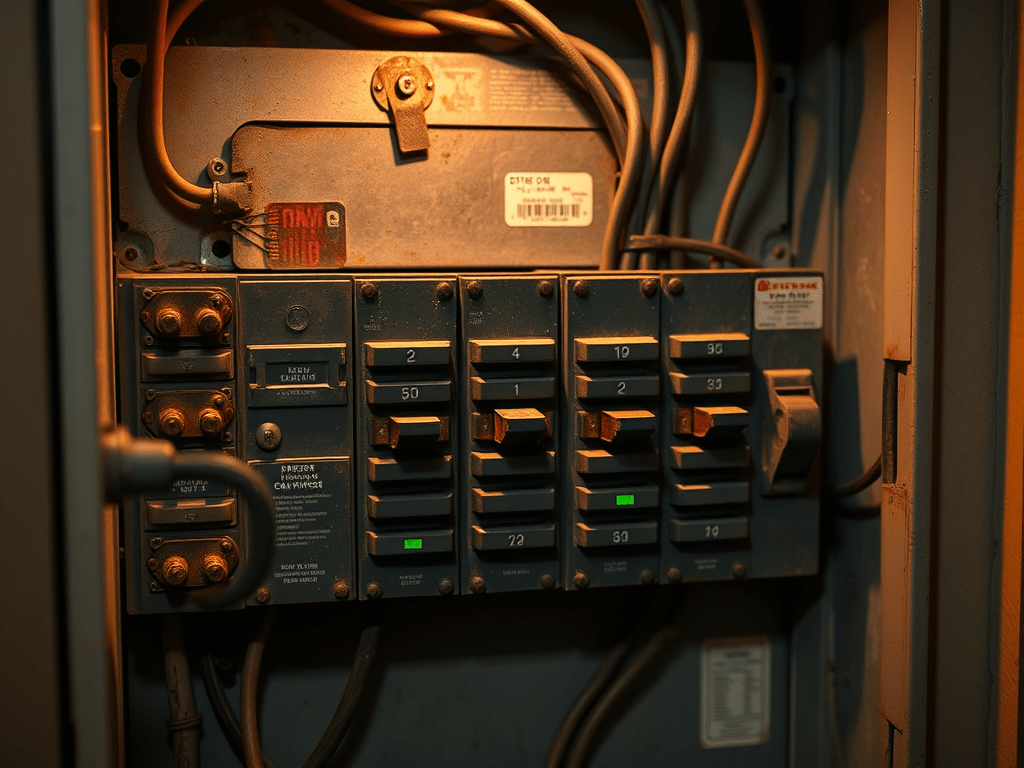
Recognizing the early warning signs of a faulty circuit breaker can save you from bigger electrical problems or even hazards. One of the most common signs is frequent breaker trips without any apparent cause. If your breaker keeps shutting off even when you aren’t using many devices, it could mean the breaker is worn out or there is a deeper wiring issue. Additionally, if you notice that your breaker panel or the breaker itself feels warm or hot to the touch, or if there is a burning smell nearby, these are urgent signals that you need professional help immediately. Another indication is if your breaker won’t reset after tripping, which can indicate internal damage. Strange buzzing or humming noises coming from your panel are also symptoms of electrical trouble. Lastly, visible damage such as rust, scorch marks, or melted plastic around the breaker or panel requires immediate inspection.
3. Why Breakers Malfunction in Austin Homes
Several factors can contribute to circuit breaker malfunctions, especially in Austin’s diverse housing landscape. Many older homes in the city still have original electrical panels that were installed decades ago and do not meet today’s safety standards. These panels and breakers can degrade over time, making them more prone to failure. Additionally, modern homes and businesses often use a higher volume of electricity due to advanced electronics, air conditioning systems, electric vehicles, and other high-demand appliances. This increased load can strain older circuits and breakers not designed for such demands. Furthermore, some homeowners attempt DIY electrical repairs, which can be improperly done and create further issues. Environmental factors like high humidity, heat from the attic, and damage from rodents chewing on wires also contribute to breaker failures. Routine inspections and timely upgrades are the best defense against these issues.
4. How a Professional Diagnoses Circuit Breaker Problems
When you call a licensed electrician for circuit breaker repair in Austin, they follow a detailed diagnostic process to accurately identify the issue. This typically starts with a visual inspection of the electrical panel, looking for signs of overheating, corrosion, or physical damage. The electrician then performs load testing to measure how much current flows through each circuit and to identify any overloads or irregularities. Wiring inspections check for loose connections, shorts, or ground faults that may be causing the breaker to trip. Using specialized tools like multimeters or thermal cameras, the electrician assesses the breaker’s internal condition and tests whether it functions correctly. Finally, they verify that the electrical system complies with the National Electrical Code (NEC) and Austin’s local electrical regulations. This thorough approach ensures that the problem is accurately diagnosed and that repairs will be safe and effective.
5. When to Repair vs. Replace a Circuit Breaker
Determining whether to repair or replace a circuit breaker depends on the nature and severity of the problem. Some issues can be resolved with simple repairs, such as tightening a loose wire or resetting the breaker after an overload caused by temporary high usage. However, if the breaker is physically damaged, shows signs of burning or corrosion, or is outdated and no longer meets code requirements, replacement is the safer choice. Older panels from brands known for safety issues—such as Zinsco or Federal Pacific—should be replaced entirely. Additionally, if you experience frequent breaker trips across multiple circuits or the breaker no longer trips when it should, these are strong indicators that a replacement is needed. Upgrading to modern circuit breakers, like Arc-Fault Circuit Interrupters (AFCIs) or Ground-Fault Circuit Interrupters (GFCIs), can significantly enhance safety by detecting dangerous electrical faults and preventing fires and shocks.
6. Austin-Specific Regulations and Permits
All electrical repair and replacement work in Austin must comply with the National Electrical Code (NEC) and the City of Austin’s specific electrical standards. Most panel upgrades and breaker replacements require permits and inspections to ensure work meets these strict guidelines. Licensed electricians are familiar with the permitting process and will obtain necessary approvals before starting work. This not only ensures your home remains safe and compliant but also maintains your insurance coverage, which may be voided if unpermitted work is done. Hiring a professional guarantees that your electrical system will pass any required city inspections and that all repairs or upgrades are performed to code, providing peace of mind and safety for you and your family.
7. Cost of Circuit Breaker Repair in Austin
The cost to repair or replace a circuit breaker in Austin can vary widely depending on the scope of work and the parts involved. Replacing a single faulty breaker typically costs between $150 and $300, which includes labor and parts. If wiring repairs are necessary for the affected circuit, costs can increase to $250–$500 or more. For homeowners needing a full panel upgrade—commonly recommended for older homes or those with increasing electrical demands—the price can range from $1,500 to $3,500 or higher, depending on the size of the panel and complexity of the installation. Diagnostic visits, where an electrician inspects your system to provide an accurate estimate, usually cost between $100 and $200. It’s important to get a clear, upfront estimate from a reputable electrician to avoid surprises.
8. Preventing Future Breaker Issues
Preventing circuit breaker problems starts with proper electrical system management. Avoid overloading circuits by spreading out high-wattage appliances, like air conditioners, heaters, and kitchen equipment, across multiple circuits. Scheduling regular inspections, especially in homes over 20 years old, can identify potential issues before they cause failures. Installing whole-house surge protection helps safeguard your electrical system from power surges caused by lightning or grid fluctuations. Clearly labeling each breaker in your panel can make troubleshooting easier and safer. Lastly, ensure your electrical panel is kept dry and free from obstructions; moisture and clutter can increase the risk of damage or fire. These proactive steps will extend the life of your circuit breakers and improve overall electrical safety.
9. Conclusion: Stay Safe with Reliable Circuit Breaker Repair in Austin
Regardless of the age or style of your home, ignoring circuit breaker issues can lead to costly repairs and serious safety risks. Signs like frequent breaker trips, unusual noises, or burning smells should never be overlooked. Having a trusted, licensed electrician in Austin inspect and repair your electrical system ensures that all work is done safely, professionally, and according to local codes. By addressing circuit breaker problems promptly, you protect your property, your appliances, and most importantly, your family. Don’t wait until a small problem turns into a dangerous emergency—schedule your electrical inspection and repairs today.
10. Different Types of Circuit Breakers and Their Functions
Knowing the types of circuit breakers installed in your home can help you understand their functions and why certain breakers might trip. Standard breakers protect against overloads and short circuits, making them the most common type found in residential panels. Ground Fault Circuit Interrupter (GFCI) breakers are specifically designed to protect against electrical shocks by shutting off power when they detect current leaks, making them essential in wet areas such as bathrooms and kitchens. Arc-Fault Circuit Interrupter (AFCI) breakers detect dangerous arc faults—tiny sparks that can start electrical fires—and are required in bedrooms and living rooms. Some modern panels also use dual-function breakers that combine AFCI and GFCI protections for added safety. Being familiar with these breaker types can help when discussing repairs or upgrades with your electrician.
11. What to Expect During a Service Call
When an electrician arrives for a circuit breaker repair in Austin, they typically begin with a thorough inspection of your electrical panel and related wiring. Using specialized equipment, they measure voltage and amperage to pinpoint any irregularities. After diagnosing the problem, the electrician will explain your options—whether a simple repair, breaker replacement, or panel upgrade is needed. They will also answer any questions you may have regarding safety, code compliance, and future maintenance. Throughout the process, you can expect clear communication and professional service designed to ensure your electrical system is safe and reliable.
12. Frequently Asked Questions (FAQ)
Q: Can I replace a breaker myself?
A: Although it may seem straightforward, breaker replacement involves working with high voltage and requires expert knowledge. For your safety and to comply with codes, always hire a licensed electrician.
Q: How long do circuit breakers typically last?
A: Circuit breakers generally last between 20 to 30 years, but factors such as heavy usage, environmental conditions, and quality of installation can affect their lifespan.
Q: Is a breaker tripping always a sign of trouble?
A: Not necessarily. Breaker trips are designed to protect your electrical system by shutting off power during overloads or faults. However, frequent or unexplained trips should
 electric guy