Hello
This is Electric Master wiztech (wiztx.com) who provides useful information about electricity.
Electrical installation services are a fundamental part of constructing, upgrading, or maintaining any residential, commercial, or industrial building. Proper electrical installation ensures the safety, efficiency, and longevity of your electrical system, preventing costly repairs, hazardous failures, or energy wastage. Whether you’re building a new home, renovating an office, or setting up an industrial facility, professional electrical installation is crucial to guarantee your electrical infrastructure meets current standards and your specific needs.
What Does Electrical Installation Include?
Electrical installation covers a broad range of services including the wiring of buildings, installation of electrical panels, outlets, lighting fixtures, circuit breakers, and more. It also includes integrating advanced systems like home automation, renewable energy sources, and electric vehicle (EV) charging stations. The goal of installation is to provide a reliable power supply that supports your lifestyle or business operations safely and efficiently.
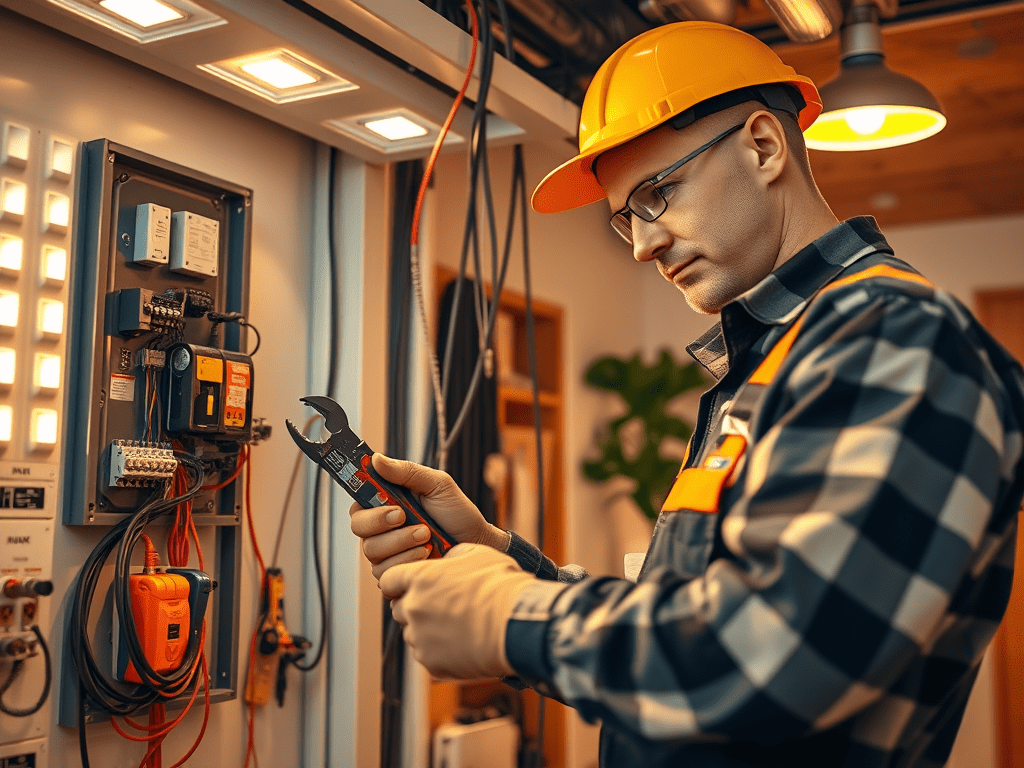
Professional electricians follow strict national and local electrical codes to ensure all installations are safe, compliant, and reliable. Improper installation can lead to dangerous situations such as electrical fires, shocks, power surges, or system failures, so it’s important to entrust this work to certified experts.
Types of Electrical Installation Services
Residential Electrical Installations
For homes, electrical installation ranges from running wiring in new constructions to upgrading circuit breakers, adding new outlets, or installing energy-efficient LED lighting. Modern homes require wiring that supports high-powered appliances, smart home devices, and continuous power for everyday needs. A safe and well-designed residential electrical system also considers future scalability and energy savings.
Commercial Electrical Installations
Commercial buildings have different requirements, including higher electrical loads and more complex wiring systems. Services include installing power distribution panels, emergency backup systems, data cabling, security lighting, and specialized electrical equipment for retail stores, offices, or warehouses. Commercial installations must often meet rigorous regulations and accommodate the specific needs of businesses.
Industrial Electrical Installations
Industrial settings typically require heavy-duty electrical systems capable of powering machinery, assembly lines, and safety equipment. This often involves three-phase power supply systems, custom control panels, and advanced wiring methods. Proper installation in industrial environments minimizes downtime, improves safety, and maximizes operational efficiency.
Specialized Installations
This category includes lighting installation (indoor and outdoor), electrical panel upgrades, circuit installations, and renewable energy systems such as solar panels and battery storage. These require particular expertise to ensure optimal placement, safe wiring, and integration with existing infrastructure.
The Importance of Professional Installation
Attempting electrical installation without professional help can be dangerous and costly. Certified electricians ensure installations meet safety codes and operate efficiently. They use high-quality materials, apply best practices, and provide warranties on their work. Professional installation reduces the risk of fires, outages, and costly repairs down the road.
Benefits of Hiring Certified Electricians
- Expertise and Training: Professional electricians have the knowledge and experience to manage complex electrical projects.
- Safety Compliance: Licensed electricians adhere to strict safety standards to protect your property and loved ones.
- Efficient Problem Solving: Experts can diagnose potential issues early and prevent future electrical failures.
- Customized Solutions: They tailor installations to your building’s unique layout and energy needs.
- Post-Installation Testing: Thorough testing ensures all components function correctly before project completion.
When Should You Consider Electrical Installation Services?
- Constructing a new home or commercial property.
- Renovating or expanding existing electrical systems.
- Upgrading outdated panels or wiring to meet current safety standards.
- Installing new appliances, machinery, or energy-efficient lighting systems.
- Integrating renewable energy sources or EV charging stations.
How to Choose the Right Electrical Contractor
Choosing the right professional is key to a successful installation project. Consider the following:
- Verify licenses and certifications.
- Check references and online reviews.
- Compare detailed quotes including cost, materials, and timeline.
- Confirm the contractor offers warranties.
- Ensure they have experience with projects similar to yours.
Trends in Electrical Installations
The electrical industry is rapidly evolving. Smart home automation, energy management systems, and sustainable power solutions like solar and wind energy integration are becoming standard. Proper installation ensures these technologies work safely and efficiently.
Maintenance and Future-Proofing
After installation, routine maintenance is essential to ensure long-term reliability and safety. Scheduling regular inspections, checking panels, and updating components when needed can prevent costly emergencies and system failures.
Conclusion
Electrical installation services are more than just wiring buildings — they are about building safe, efficient, and future-ready electrical infrastructures. Hiring qualified professionals ensures peace of mind, compliance with regulations, and energy efficiency, protecting your investment for years to come. Whether you’re managing a residential, commercial, or industrial project, the right electrical installation service is critical to your success and safety. Investing in professional installation today can save you from expensive repairs and hazards tomorrow.
 electric guy