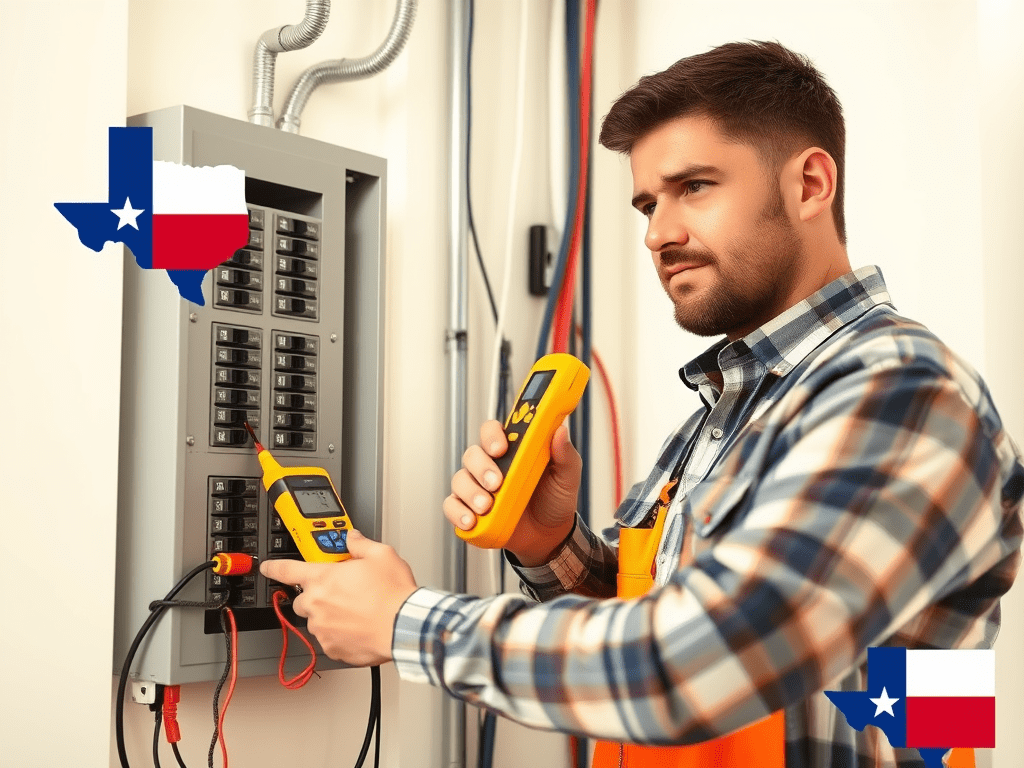
Introduction: Why Hiring the Right Residential Electrician Matters in Texas
Hello
This is Electric Master wiztech (wiztx.com) who provides useful information about electricity.
Electricity powers almost every aspect of our daily lives, from lighting our homes and powering appliances to charging devices and maintaining comfort during Texas’ hot summers. However, electricity is also one of the most dangerous utilities if not handled correctly. That’s why hiring a qualified residential electrician in Texas is essential to protect your home, family, and investment.
Texas presents unique electrical challenges due to its extreme weather, including severe storms, heat, and rapid urban growth. Homes built decades ago may have outdated wiring that cannot support modern energy demands. Whether you need emergency repairs, upgrades, or installation of new technology, choosing a skilled electrician who understands Texas codes and climate is vital.
This comprehensive guide covers everything you need to know—from what residential electricians do, common electrical problems in Texas homes, when to call a professional, how to choose the right electrician, and much more.
What Does a Residential Electrician Do?
A residential electrician is a licensed professional trained to install, repair, and maintain electrical systems specifically in homes. Their work covers a broad range of services, including:
- Installing and repairing wiring, outlets, switches, and lighting fixtures
- Upgrading electrical panels to handle modern power loads
- Installing surge protection and backup power systems like generators
- Troubleshooting electrical issues such as flickering lights or breaker trips
- Conducting safety inspections for home sales or insurance requirements
- Integrating smart home systems and electric vehicle (EV) chargers
- Ensuring all work complies with Texas building and electrical codes
Residential electricians differ from commercial or industrial electricians by focusing on the safety standards and electrical systems unique to private dwellings. They must be licensed by the Texas Department of Licensing and Regulation (TDLR) and complete rigorous training and testing to ensure they meet safety and code standards.
Common Reasons Texans Hire Residential Electricians
1. Breaker Panel Upgrades
Older electrical panels may not safely support the demands of modern appliances, EV chargers, or air conditioning units common in Texas homes. Upgrading prevents frequent breaker trips and reduces fire risk.
2. Storm Damage and Surge Protection
Texas’ frequent lightning storms and hurricanes can cause power surges that damage electronics or wiring. Installing whole-home surge protectors and repairing storm damage are common services.
3. Home Renovations and New Construction
Adding rooms, remodeling kitchens, or finishing basements requires electrical installation compliant with code and safely integrated into existing wiring.
4. Troubleshooting Electrical Problems
Buzzing outlets, warm switch plates, or flickering lights are signs of potential hazards needing professional diagnosis.
5. Smart Home and EV Charger Installation
More Texans install smart thermostats, security systems, and EV chargers, all requiring expert wiring.
6. Safety Inspections
Before buying or selling, inspections ensure wiring is up to code and hazard-free.
7. Emergency Services
Power outages, shocks, or exposed wiring need immediate professional attention.
Common Electrical Problems in Texas Homes
- Outdated or Overloaded Breaker Panels: Lead to frequent outages and safety hazards.
- Storm and Lightning Damage: Can cause shorts, wiring damage, and appliance failure.
- Buzzing Outlets and Flickering Lights: Often indicate loose or faulty wiring.
- Aluminum Wiring: Present in some older homes, prone to corrosion and overheating.
- Inadequate Outdoor Wiring: Lack of weatherproof outlets increases shock risk.
- Improper Wiring for Additions or Technology: Can cause overloads or code violations.
DIY vs Professional Electrical Work in Texas
While small tasks like changing bulbs or resetting breakers can be safely done by homeowners, Texas law requires licensed electricians for most electrical work. DIY electrical repairs risk shocks, fires, code violations, insurance denial, and costly repairs. Always call a professional for wiring, panels, or fixture installation.
How to Choose the Right Residential Electrician in Texas
- Check Licensing: Verify a valid TDLR license.
- Confirm Insurance: Ensure liability and workers’ comp coverage.
- Assess Experience: Especially with Texas homes like yours.
- Request Detailed Written Estimates: Including labor, materials, and timelines.
- Read Reviews and Ask for References: Look for consistent quality.
- Understand Warranties and Emergency Services: Reliable electricians back their work.
What to Expect During Your First Consultation
Prepare questions about project scope, costs, timelines, and permits. A good electrician provides clear explanations, transparent pricing, and safety advice. Avoid those who give vague answers or push unnecessary work.
After the Job: Inspections, Maintenance & Follow-Up
Confirm that permits and inspections are completed and approved. Keep all documentation and warranties. Schedule regular maintenance to ensure long-term safety and efficiency.
Real-Life Examples of Residential Electrical Success in Texas
- A timely panel upgrade prevented a fire in an older Dallas home.
- Whole-home surge protection saved electronics during a lightning storm in Houston.
- An experienced electrician managed a seamless kitchen remodel in Austin.
Conclusion: Protect Your Home and Family with a Licensed Texas Residential Electrician
Electrical safety is not optional. It demands the expertise of licensed professionals familiar with Texas conditions and codes. Whether upgrading your system, fixing problems, or installing new technology, hiring the right residential electrician protects your biggest investment—your home—and keeps your family safe.
Don’t delay. Reach out to a trusted residential electrician in Texas to assess your home’s electrical needs today.
 electric guy